돈쓰는 글쓰기의 모든것에서 저자는 북리뷰 블로거가 되는 방법들을 소개하고 있다. 북리뷰를 하면 저자가 되는 길이 열릴 수 있으며 정보를 나누는 방법은 글쓰기로 돈을 버는 방법의 첫번째 방법이라는 것이다. 또한 페이스북이나 인스타그램을 통해서 소셜미디어에 책에 관한 정보를 올리다 보면 자연스럽게 돈을 버는 작가의 길로도 접어 들 수 있다는 것이다. 나도 북리뷰 하는 일들을 시작하고 싶은 생각들이 있었는데 에듀컨텐츠 페이스북 페이지를 통해서 자연스럽게 앞으로 읽는 책들을 리뷰하고 정리한 내용을 올리는 적용을 하고자 한다 앞으로 읽는 책들을 정리하고 리뷰하며 그 내용을 올려서 다양한 내용을 공유하는 플랫폼을 잘 사용하는 북리뷰 블로거가 되고 싶다. 어떠한 책들부터 리뷰하는 것이 좋을까? 이북으로 구입한 책들을 먼저 리뷰하는 것이 좋을 것 같다. 앞으로도 책을 구입해서 이북을 구입해서 더 많은 책들을 리뷰하는 북튜버 북로거가 되고자 한다. 김새해 작가님 김미경 작가님 설민석 선생님 김유라 작가님등 이미 이길을 가신 분들이 많은데 이 길을 가기 위해서 많은 북튜버 분들의 유튜브를 열심히 구독하여 연구하여 나의 유튜브를 만들어 나가는 과정을 구축하고자 한다. 또한 학교에서 공부하는 내용들을 더욱더 많이 개발하여 이 내용들을 통하여 유튜브와 컨텐츠를 만들고 이 것을 통하여 유튜브 컨텐츠 블로그 컨텐츠 소셜미디어 컨텐츠 그리고 더 나아가서 책을 만드는 작업들도 또한 도전하고자 한다.
The book in short tells us to eliminate all things that are unproductive: 20% of sources make up 80% of the output. Therefore reprioritize and reduce all parts that are not bearing any outcomes for you. Secondly, the book tells you to be outsourcing, or leveraging systems that will produce output/revenue even while you are away, sleeping, taking a vacation. Let those systems be working for you. I think of my blog, SNS, or especially youtube contents to be such systems I wish to develop. When working on these contents, I won’t have to constantly be there in person to explain to people or my students about what they have to work on, but explain once and let these outsourced resources and leveraged systems do the work for me. More work has to be put on these resources!
Whenever you find yourself on the side of the majority, it is time to pause and reflect (Mark Twain)
I’ve deciphered the code – simple to duplicate. There is a recipe.
The truth, at least the truth I live and will share in this book is quite different. From leveraging currency differences to outsourcing your life and disappearing, I’ll show you how a small underground uses economic sleight-of-hand to do what most consider impossible.
$1,000,000 in the bank isn’t the fantasy . The fantasy is the life-style of complete freedom it supposedly allows. The question is then, How can one achieve the millionaire lifestyle of complete freedom without first having $1,000,000?
The goal is fun and profit
Unending source of fulfillment; to free time and automate income is
D for Definition : as relative wealth and eustress (Stress that triggers growth)
E for Elimination: get rid of unnecessary events: to gain time
A Automation: cash flow: outsourcing
L Liberation: breaking the bonds: mobility
One who shifts economic resources out of an area of lower and into an area of higher yield
It’s time to have fun and let the rest follow
An expert is a person who has made all the mistakes that can be made in a very narrow field
Step 1: D is for Definition: Reality is merely an illusion, albeit a very persistent one.
Deferrers (those who save it all for the end only to find that life has passed them by) New Rich can be separated from the crowd based on their goals, which reflect very distinct priorities and life philosophies.
D: To work for yourself
NR: To have others work for you
D: TO work when you want to
NR: TO prevent work for work’s sake and to do the minimum necessary for maximum effect (“minimum effective load” )
D: To retire early or young
NR: To prevent work for work’s sake, and to do the minimum necessary for maximum effect (“minimum effective load”)
D: to retire early or young
NR: To distribute recovery periods and adventures (mini-retirements) throughout life on a regular basis and recognize that inactivity is not the goal. Doing that which excites you is.
D: To buy all the things you want to have.
NR: TO do all the things you want to do, and be all the things you want to be. If this includes some tools and gadgets, so be it, but they are either means to an end or bonuses, not the focus.
D: To be the boss instead of the employee; to be in charge.
NR: To be neither the boss nor the employee, but the owner. To own trains and have someone else ensure they run on time.
D: To make a ton of money.
NR: To make a ton of money with specific reasons and defined dreams to chase, timelines and steps included. What are you working for?
D: To have more.
NR: TO have more quality and less clutter. To have huge financial reserves but recognize that most material wants are justifications for spending time on the things that don’t really matter, including buying things and preparing to buy things. You spent two weeks negotiating your new Infiniti with the dealership and got $10,000 off? That’s great. Doe you life have a purpose? Are you contributing anything useful to this world or just shuffling papers, banging on a keyboard, and coming home to a drunken existence on the weekends?
D: To reach the big pay-off, whether IPO, acquisition, retirement, or other pot of gold.
NR: To think big but ensure payday comes every day: cash flow first, big payday second.
D: To have freedom from doing that which you dislike.
NR: To have freedom from doing that which you dislike, but also the freedom and resolve to pursue your dreams without reverting to work for work’s sake (W4W) After years of repetitive work, you will often need to dig hard to find your passions, redefine your dreams, and revive hobbies that you let atrophy to near extinction. The goal is not to simply eliminate the bad, which does nothing more than leave you with a vacuum, but to pursue and experience the best in the world.
Here’s the little secret I rarely tell: It all cost less than rent in the U.S If you can freed your time and location, your money is automatically worth 3-10times as such. Money is multiplied in practical value depending on the number of W’s you control in your life: what you do, when you do it, where you do it, and with whom you do it. I call this the freedom multiplier.
Lifestyle output of their money
Options – the ability to choose – is real power. This book is all about how to see and create those options with the least effort and cost. It just so happens, paradoxically, that you can make more money – a lot more money – by doing half of what you are doing now
To join the movement, you will need to learn a new lexicon and recalibrate direction using a compass for an unusual world. From inverting responsibility to jettisoning the entire concept of “success’, we need to change the rules.
Different is better when it is more effective or more fun.
If everyone is defining a problem or solving it one way and the results and subpar, this is the time to ask, What if I did the opposite? Don’t follow a model that doesn’t work.
Basic rules of successful NR are surprisingly uniform and predictably divergent from what the rest of the world is doing
Alternating periods of activity and rest is necessary to survive, let alone thrive. Capacity, interest, and mental endurance all wax and wane. Plan accordingly.
The NR aims to distribute “mini-retirements’ throughout life instead of hoarding the recovery and enjoyment for the fool’s gold of retirement. By working only when you are most effective, life is both more productive and more enjoyable. It’s the perfect example of having your cake and eating it, too.
Personally, I now aim for one month of overseas relocation or high-intensity learning (tango, fighting, whatever) for every two months of work projects.
3. Less Is not Laziness
Doing less meaningful work, so that you can focus on things of greater personal importance, is NOT laziness. This is hard for most to accept, because out culture tends to reward personal sacrifice instead of personal productivity.
More time equals more self-worth and more reinforcement from those above and around them. The NR, despite few hours in the office, produce more meaningful results than the next dozen non-NR combined.
If it’s important to you and you want to do it “eventually”, just do it and correct course along the way.
Ask for forgiveness, Not permission
If it isn’t going to devastate those around you, try it and then justify it. If the potential damage is moderate or in any way reversible, don’t given people the chance to say no. Most people are fast to stop you before you get started but hesitant to get in the way you’re moving. Get good at being a troublemaker and saying sorry when you really screw up.
Emphasize Strengths, Don’t Fix Weaknesses.
Most people are good at a handful of things and utterly miserable at most.
It is far more lucrative and fun to leverage your strengths instead of attempting to fix all the clinks in your armor. The choice is between multiplication of result using strengths or incremental improvement fixing weaknesses that will, at best, become mediocre. Focus on better use of your best weapons instead of constant repair.
Things in Excess Become their Opposite
IT is possible to have too much of a good thing. In excess, most endeavors and possessions take on the characteristics of their opposite. Thus; Too much, to many, and too often of what you want becomes what you don’t want.
Money alone is not the solution.
In part, it’s laziness. If only I had more money is the easiest way to postpone the intense self-examination and decision-making necessary to create a life of enjoyment – now and not later. The problem is more than money.
Relative Income is more important than absolute income. Absolute and relative income
Relative income uses two variables: the dollar and time, usually hours.
Relative income is the real measurement of wealth for the New Rich.
Distress is Bad, Eustress is Good
Two separate types of stress – euphoria and its seldom-mentioned opposite, dysphoria.
Distress refers to harmful stimuli that make you weaker, less confident and less able
Eustress on the other hand, is a word most of you have probably never hard. Eu- a Greek prefix for healthy (used in the same sense in the word “euphoria”) Role models who push us to exceed our limits, physical training that removes our spare tires, and risks that expand our sphere of comfortable action are all examples of eustress – stress that is healthful and the stimulus for growth
How has being realistic or responsible kept you from the life you want?
How has doing what you should resulted in subpar experiences or regret for not having done something else?
Look at what you’re currently doing and ask yourself, “What would happen if I did the opposite of the people around me? What will I sacrifice I continue on this track for 5,10, or 20 years?”
System Reset
Being Unreasonable and Unambiguous
The reasonable man adapts himself to the world; the unreasonable one persists in trying to adapt to the world to himself. There all progress depends on the unreasonable man.
Doing the unrealistic is easier than doing the realistic
If you are insecure, guess what? The rest of the world is, too. Do not overestimate the competition and underestimate yourself. Your are better than you think.
I’m prepared to do battle for a dream that is worth dreaming.
What do you want? A better question, first of all.
Most people will never know what they want. I don’t know what I want. I f you ask me what I want to do in the next five months for language learning, on the other hand, I do know. It’s a matter of specificity. “What do you want” is too imprecise to produce a meaningful and actionable answer. Forget about it.
Excitement is the more practical synonym for happiness, and it is precisely what you should strive to chase. It is the cure-all. When people suggest you follow your “passion” or your “bliss” (excitement)
This brings us full circle.
What do I want? What are my goals? What would excite me?
Be realistic and stop pretending. Life isn’t like the movies.
Remember – boredom is the enemy, not some abstract failure.
Dreamlining is so named because it applies timelines to what most would consider dreams.
The goals shifts from ambiguous wants to defined steps.
The goals have to be unrealistic to be effective
It focuses on activities that will fill the vacuum created when work is removed. Living like a millionaire requires doing interesting things and not just owning enviable things.
It’s not what you know, it’s who you know
Here’s how normal people build supernormal networks
Fail better
I believe that success can be measured in the number of uncomfortable conversations you’re willing to have.
Find a personal email if possible, often through their little-known personal blogs, send a two or three paragraph email which explains that I am familiar with their work, and ask one simple to answer but thought-provoking question in that email related to their work of life philosophies. The goal is to start a dialogue so they take the time to answer future emails – not to ask for help. That can only come after at least three or four genuine email exchanges.
I deal with rejection by persisting, not by taking business elsewhere. My maxim comes from Samuel Beckett, a personal hero of mine: “Ever tried. Every failed. No matter. Try again. Fail again. Fail better. You won’t believe what you can accomplish by attempting the impossible with the courage to repeatedly fail better
Ferris is proud of the effort students have put into his contest. Most people can do absolutely awe-inspiring things,” he said. Sometimes they just need a little nudge.
The existential vacuum manifests itself mainly in a state of boredom
Life is too short to be small.
Dreamlining will be fun, and it will be heard. The harder it is, the more you need it.
What would you do if there were no way you could fail? If you were 10 times smarter than the rest of the world?
Five things you dream of having (including, but not limited to, material wants: house, car, clothing), being (be a great cook, be fluent in Chinese. Etc) and doing (visiting Thailand, tracing your roots overseas, racign ostriches. Etc)
What you would do, day to day, if you had $100 million in the bank?
What would make you most excited to wake up in the morning to another day?
One place to visit
One thing to do before you die
One thing to do daily
One thing to do weekly
One thing you’ve always wanted to learn
What does “being” entail doing?
“being” into a “doing” to make it actionable.
What are the four dreams that would change it all?
Highlight the four most exciting and/or important dreams from all columns. Repeat the process with the 12month timeline if desired.
Determine the cost of these dreams and calculate your Target Monthly Income (TMI) for both timelines.
Last, calculate your Target Monthly Income (TMI) for realizing these dreamlines.
Determine three steps for each of the four dreams in just the 6 month timeline and take the first step now.
Define three steps for each dream that will get you closer to its actualization
Once you have three steps for each of the four goals, complete the three actions in the now column
If the next stage is some form of research, get in touch with someone who knows the answer instead of spending too much time in books or online, which can turn into paralysis by analysis. The best first step, the one I recommend, is finding someone who’s done it and ask for advice on how to do the same. It’s not hard.
Comfort Challenge
The most important actions are never comfortable.
Fortunately, it is possible to condition yourself to discomfort and overcome it.
Develop the uncommon habit of making decisions, both for yourself and for others.
E is for Elimination
One does not accumulate but eliminate. It is not daily increase but daily decrease. The height of cultivation always runs to simplicity Bruce Lee
The End of Time Management
Illusions and Italians
Perfection is not when there is no more to add, but no more to take away
It is vain to do with more what can be done with less
Believe it or not, it is not only possible to accomplish more by doing less, it is mandatory
Enter the world of elimination
How you will use productivity
You have to free that time. To do so while maintaining or increasing your income.
The employee is increasing productivity to increase negotiating leverage for two simultaneous objectives: pay raises and a remote working management
This is an endless game and one you want to avoid. Hence the need for Liberation first.
If you’re an employee, this chapter will increase your value and make it more painful for the company to fire you than to grant raises and remote working agreement.
And use the resultant free time to fulfill dreamlines.
The goal is to decrease the amount of work you perform while increasing revenue. This will set the stage for replacing yourself with automation, which in turn permit liberation.
Being effective vs. being efficient
Being efficient without regard to effectiveness is the default mode of the universe.
1. Doing something unimportant well does not make it important
2. Requiring a lot of time does not make a task important
What do you do is infinitely more important than how you do it.
What gets measured gets managed.
“Pareto’s Law” or the “Pareto Distribution” in the last decade also popularly called the “80/20 Principle”
Pareto’s Law can be summarized as follows: 80% of the outputs result form 20% of the inputs.
80% of the consequences flow form 20% of the causes.
80% of the results come from 20% of the effort and time.
80% of company profits come from 20% of the products and customers
80% of all stock market gains are realized by 20% of the investors and 20% of an individual portfolio
Which 20% of sources are causing 80% of my problems and unhappiness?
Which 20% of sources are resulting in 80% of my desired outcomes and happiness?
Make no mistake, maximum income from minimal necessary effort (including minimum number of customers) is the primary goal. I duplicated my strengths, in this case my topo producers, and focused on increasing the size and frequency of their orders.
1. Advertising
I identified the advertising that was generating 80% or more of revenue, identified the commonalities among them, and multiplied them, eliminating all the rest at the same time. My advertising costs dropped over 70%
2. Online affiliates and partners
Online partner income increased more than 50% in that same month
Slow down and remember this: most things make no difference. Being busy is a form of laziness – lazy thinking and indiscriminate action.
Being selective – doing less – is the path of the productive. Focus on the important few and ignore the rest.
Of course, before you can separate the wheat from the chaff and eliminate activities in a new environment, you will need to try a lot of identify what pulls the most weight.
Lack of time is actually lack of priorities.
The 9-5 illusion and parkinson’s law
I saw a bank that said, “24-Hour Banking” but I don’t have that much time
If you’re an employee, spending time on nonsense is, to some extent, not your fault. There is often no incentive to use time well unless you are paid on commission. You are compelled to create activities to fill that time.
A remote work arrangement instead of just collecting a paycheck, it’s time to revisit the status quo and become effective. The best employees have the most leverage.
Parkinson’s Law dictates that a task will swell in (perceived) importance and complexity in relation to the time allotted for its completion. It is the magic of the imminent deadline. If I give you 24 hours to complete a project, the time pressure forces you to focus on execution, and you have no choice but to do only the bare essentials.
1. Limit tasks to the important to shorten work time (80/20)
2. Shorten work time to limit tasks to the important (Parkin’s Law)
The 80/20 Principle and Parkinson’s Law are the two cornerstone concepts that will be revisited in different forms throughout this entire section. Most inputs are useless and time is wasted in proportion to the amount that is available.
Am I being productive or just active?
Am I inventing things to do to avoid the important?
We create stress for ourselves because you feel like you have to do it. You have to. I don’t feel that anymore
The key to having more time is doing less, paths to getting there
Definite a to do list, and not to do list
What 20% of sources are causing 80% of my problems and unhappiness?
What 20% of sources are resulting in 80% of my desired outcome and happiness?
If you had a heart attack and had to work two hours per day, what would you do?
If you had second heart attack and hard to work two hours per week, what would you do?
IF you had gun to your head and had to stop doing 4/5 of different time-consuming activities, what would you remove?
Simplicity requires ruthlessness. IF you had to stop 4/5 of time-consuming activities – e-mail, phone calls, conversations, paperwork, meetings, advertising, customers, suppliers, products, services, etc. – what would you eliminate to keep the negative effect on income to a minimum?
What are the top-three activities that I use to fill time to feel as though I’ve been productive?
Be honest with yourself, as we all do this on occasion. What are your crutch activities?
Who are the 20% of people who produce 80% of your enjoyment and propel you forward, and which 20% cause 80% your depression, anger, and second-guessing?
If someone isn’t making you stronger, they’re making you weaker
Learn to ask, if this is the only thing I accomplish today, will I be satisfied with my day? Don’t ever arrive at the office or in front of your computer without a clear list of priorities.
I use a standard piece of paper folded in half three times, which fits perfectly in a pocket and limits you to noting only a few items.
If this is the only thing I accomplish today, will I be satisfied with my day?
Put a post-it on you computer screen or set an outlook reminder to alert you at least three times daily with the question: are you inventing things to do to avoid the important?
Do not multitask.
There is no need to multitask. Doing more to feel productive while actually accomplishing less
At most, primary goals or tasks per day
Use Parkinson’s Law on a Macro and Micro Level
Shorten schedules and deadlines to necessitate focused action instead of deliberation and procrastination
Social life
Items on your to-do list
Force immediate action
Learn to propose;
Stop asking for opinions and start proposing solutions
Offer a solution, make a decision
Can I make a suggestion?
I propose
I’d like to propose…
I suggest that… What do you think?
Let’s try… and then try something else if that doesn’t work
The low-information diet
Cultivating selective ignorance
What information consumes is rather obvious: it consumes the attention of its recipients. Hence a wealth of information creates a poverty of attention and a need to allocate attention efficiently among the overabundance of information sources that might consume it
Reading, after a certain age, diverts the mind too much from its creative pursuits. Any many who reads too much and uses his own brain too little falls into lazy habits of thinking
Empower others
Cultivating selective ignorance
There are many things of which a wise man might wish to be ignorant – Ralph Waldo Emerson
I’m going to propose that you develop an uncanny ability to be selectively ignorant. Ignorance may be bliss, but it is also practical.
Both too many calories and calories of not nutritional value, informational workers eat data both in excess and from the wrong sources.
Lifestyle design is based on massive action – output. Increased output necessitates decreased input. Most information is time-consuming, negative, irrelevant to your goals, and outside of your influence.
Who loses the forest for the trees in a sea of extraneous details.
I only read accounts that are how I did it and autobiographical
Using the book to generate intelligent and specific questions, I contacted 10 of the top authors and agents in the world via email and phone, with a response rate of 80%
I only read the sections of the book that were relevant to immediate next steps, which took less than two hours.
How to read 200% faster in 10 minutes
1. Two minutes: use a pen or finger to trace under each line as you read as fast as possible
2. Three minutes: begin each line focusing on the third word in from the first word, and end each line focusing on the third word in from the last word
3. Two minutes: once comfortable indenting three or four words from both sides, attempt to take only two snapshots – also known as fixations – per line on the first and last indented words
Three Minutes; practice reading too fast for comprehension but with good technique (the above three techniques)
Learning to ignore things is one of the great paths to inner peace
Go on a immediate one-week media fast
Develop the habit of asking yourself “Will I definitely use this information for something immediate or important?
Follow your to-do short list and fill in the information gaps as you go
Practice the art of nonfinishing
Get phone numbers (2 days)
Interrupting interruption and art of refusal
Do your own thinking independently. Be the chess player, not the chess piece.
Meeting are an addictive, highly, self-indulgent activity that corporations and other organizations habitually engage in only because they cannot actually masturbate
Learn to be difficult when it counts. In school as in life, having a reputation for being assertive will help you receive preferential treatment without having to beg or fight for it every time.
Not all Evils are created equal
Start-to-finish completion of critical task, and there are three principal offenders
Time wasters:
Time consumers: repetitive tasks or requests that need to be completed but often interrupt high-level work
Empowerment failures
Time wasters: become an ignoramus
The best defense is a good offense.
Time wasters are the easiest to eliminate and deflect
Limit email consumption and production
Email to your inbox as soon as someone sends them
Check email twice per day
Beg for forgiveness; don’t ask for permission
People are poor judges of importance and inflate minutiae to fill time and feel important
The second step is to screen incoming and limit outgoing phone calls
Meetings should only be held to make decisions about a predefined situation, not to define the problem. If someone proposes that you meet with them or “set a time to talk on the phone,” ask that person to send you an email with an agenda to define the purpose
The cost and time effective solution, therefore, is to wait until you have a larger order, an approach called “batching” Batching is also the solution to our distracting but also the solution to our distracting but necessary time consumers, those repetitive tasks that interrupt the most important.
Do not work harder when the solution is working smarter
Empowerment failure: rules and readjustment
The vision is really about empowering workers, giving them all the information about what’s going on so they can do a lot more than they’ve done in the past
Bill gates, confounder of Microsoft, richest man in the world
For the employee, the goal is to have full access to necessary information and as much independent decision-making ability as possible.
Empowerment failure
It wasn’t scalable model. Remember this word, as it will be important later. It wasn’t scalable because there was an information and decision bottleneck: me.
I sent one single email to all the supervisors that immediately turned 200 email per day into fewer than 20 email per week
Don’t ask me for permission. Do what you think is right, and we’ll make adjustments as we go along
More than 90% of the issues that prompted email could be resolved for less than $20
It’s amazing how someone’s IQ seems to double as soon as you give them responsibility and indicate that you trust them.
People are smarter than you think. Give them a chance to prove themselves
If you are a micromanaged employee, have a heart-to-heart with your boss and explain that you want to be more productive and interrupt him or her less.
Empower others to act without interrupting you
Set the rules in your favor. Limit access to your time, force people to define their requests before spending time with them, and batch routine menial tasks to prevent postponement of more important projects. Do not let people interrupt you. Find your focus and you’ll find your lifestyle.
The bottom line is that you only have the rights you fight for. Automation, we’ll see how the New Rich create management-free money and eliminate the largest remaining obstacle of all: themselves.
Create systems to limit your availability via e-mail and phone and deflect inappropriate contact.
Batch activities to limit setup cost and provide more time for dreamline milestones.
Ste or request autonomous rules and guidelines with occasional review of results
Eliminate the decision bottleneck for all things that are nonfatal if misperformed
Minimal and time savings are guaranteed.
Tools and tricks
Eliminating paper distractions, capturing everything
Evernote: allows your to easily capture information from anywhere using whatever device is at hand, and everything is then searchable from anywhere
Scan all agreements, paper articles
Directly to Evernote in seconds
One shot, one kill scheduling without email
Doodle
Timedriver
Choosing the best email batching times
Xobni: hotspots
Emailing without entering the black hole of the inbox
Jot
Copytalk
Preventing web browsing completely
Freedom: allowing you the focus to get real work done
Revisit the terrible twos (2 days)
For the next two days, do as all good two-year-olds do and say “no” to all requests. Refuse to do all things that won’t get you immediately fired. Be selfish. Objective isn’t an outcome – but the process: getting comfortable with saying no.
A is for Automation
Scotty: She’s all yours, sir. All systems automated and ready. A chimpanzee and two trainees could run her!
Captain Kirk: Thank you, Mr. Scott. I’ll try not to take that personally. Star Trek
Outsourcing Life
Off-Loading the Rest and a Taste of Geoarbitrage
A man is rich in proportion to the number of things he can afford to let alone
Desired satisfaction
It’s a strange feeling having people work for you while you sleep
Strange, but great. I’m not wasting time while I drool on my pillow; things are getting done
Outsourcing my inner life
Delegate my therapy
Outsource my worry
At a glance: where you will be
The future is here. It’s just not widely distributed yet.
William Gibson, author of Neuromancer, coined term cyberspace
But I’m an employee! How does this help me?
Nobody can give you freedom. Nobody can give you equality or justice or anything. If you’re a man, you take it.
Remote management and communication.
Eliminate before you delegate.
Never automate something that can be eliminated. Delegate something that can be automated or streamlined.
Using people to leverage a refined process multiplies production; using people as a solution to a poor process multiplies problems.
I am not interested in picking up crumbs or compassion thrown from the table of someone who considers himself my master. I want the full menu of rights.
Getting personal and going
Solo vs. support team
I don’t like being dependent on one person
Team preference doesn’t mean that bigger is better, just that multiple people are better than one person
Three can be more than sufficient, but two is toeing the line
The complicated art of simplicity: common complaints
In the world of automation, not all business models are created equal. How do you assemble a business and coordinate all its parts without lifting a finger? How do you automate cash deposits in your bank account while avoiding the most common problems? It begins with understanding the options, the art of dodging information flow, and what we will call “muses”: a product
Start small but think big
Moderating discussion forums
Publishing newsletters and blog postings
Components of new marketing initiatives or analysis of current marking results
Don’t limit yourself
Income autopilot I
The man who grasps principles can successfully select his own methods. The man who tries methods, ignoring principles, is sure to have trouble.
What would you do if you didn’t have to think about money? If you follow the advice in this chapter, you will soon have to answer this question.
It’s time to find your muse.
People who want to run businesses but for those who want to own businesses and spend no time on them
Our goal is simple: to create an automated vehicle for generating cash without consuming time
Cash flow and time
Why to begin with the end of mind
The more middlemen are involved, the higher your margins must be to maintain profitability for all the links in the chain
Choosing distribution before product is just one example.
Step one: pick an affordably reachable niche market
Find a market – define your customers – then find or develop a product for them
Developed products for those markets
Understood their needs and spending habits. Be a member of your target market and don’t speculate what others need or will be willing to boy.
Start small, think big.
Which social, industry, and professional groups do you belong to,
Look creatively at your resume, work experience, physical abilities, and hobbies and compile a list of all the groups, past and present, that you can associate yourself with
Include online and offline subscriptions: what groups of people purchase the same?
Which of the groups you identified have their own magazines
Genius only a superior power of seeing
The main benefit should be encapsulated in one sentence
People can dislike you – and you often sell more by offending some – but they should never misunderstand you
The main benefit of your product should be explainable in one sentence or phrase.
It should take no more than 3 to 4 weeks to manufacture
Option one: resell a product
Purchasing an existing product at wholesale and reselling it is the easiest route but also the least profitable
Reselling is however an excellent option for secondary back-end products that can be sold to existing customers or cross-sold to new customers online or on the phone
Product creation
Option three: create a product
Creation is better means of self-expression than possession; it is through creating, not possessing, that life is revealed
Information
Information products are low-cost, fast to manufacture, and time-consuming for competitors to duplicate
Information on the other hand is too time consuming for most knockoff artists to bother with when there are easier products to replicate
But I’m not an expert!
If you aren’t an expert, don’t sweat it.
You know more about the topic than the purchaser. Just better than a small target number of your prospective customers.
1. Create the content yourself
2. Repurpose content
3. License content or compensate an expert to help create content
Use the following questions to brainstorm potential how-to or informational product that can be sold to your markets using your expertise or borrowed expertise.
Digital delivery is perfectly acceptable – in some cases, ideal – if you can create a high enough perceived value.
What skills are you interested in that you – and others in your markets – would pay to learn? Become an expert in this skill for yourself and then create a product to teach the same. If you need help or want to speed up the process, consider the next question.
What experts could you interview and record to create a sellable audio CD?
Do you have a failure-to-success story that could be turned into a how-to product for others? Consider problems you’ve overcome in the past, both professional and personal.
Join two or three related trade organizations
Read the thee top-selling books
Give one free one-to-three hour seminar
Offer to write one or two articles for trade magazines
Join profnet
Failure is not an option sort of became our motto
Confirming sufficient market size
Funding public domain information to repurpose
Project Gutenberg
Librivox
Licensing ideas to other for royalties
Searching patens for unexploited ideas to turn into product
Becoming an expert
Income autopilot II testing the muse
The moral is that intuition and experience are poor predictors of which products and businesses will be profitable. Ask ten people if they would buy your product.
Thirty minutes of stream of consciousness journaling – stream of consciousness writing
The superheroes you have in mind have maximized 1 or 2 strengths – working on your strengths
Christopher Sommer
When in doubt work on the deficiencies you’re most embarrassed by – work on organizing items and goods (books)
Diet and exercise: eat and train (exercising everyday, swimming)
Dominic D’Agostino
Why consider fasting?: :therapeutic “purge fast” (If you don’t have cancer and you do a therapeutic fast 1 to 3 times per year, you could purge any precancerous cells that may be living in your body – fasting has proven to be really effective in my life, two major times before college and grad school
Dom suggests a 5 day fast 2 to 3 times a year
I now aim for a 3 day fast once per month and a 5-7 fast once per quarter
Jason Nemer
Play! Play more. I feel like people are so serious, and it doesn’t take much for people to drop back into the wisdom of a childlike playfulness. Yes! Work as if you’re playing (the only way to succeed in life – can’t get good at it unless you work for it avidly, in order to work really hard for something, you have to enjoy doing it – well easier if you do)
Tell people what you want, not want you don’t want, and keep it simple.
Laird Hamilton, Gabby Reece& Brian Mackenzie
More humility
Exercise compassion every day
James Fadiman
Jim describes this as “the feeling or the awareness that you are connected not only to other people, but to other things and living systems and to the air you breathe.
Now, that’s all easy to say intellectually and even poetically. But when you actually experience that you’re part of this larger system, one of the things that you become aware of is that you ego – your personal identity – is not that big part of you. (106-107) – yes we are connected to the world, to the people around us, and everything around us, the hyperawareness of that interconnectedness brings you closer to not only others, but what you’re trying to achieve in life as well
Paul Levesque
What am I continuing to do myself that I’m not good at? Improve it, eliminate it, or delegate it. (131)
maybe working to organize things in life, having people at home to work for it
Jane McGonigal
Any useful statement about the future should at first seem ridiculous by Jim Dator. Also, when it comes to the future, it’s far more important to be imagine than to be right” by Alvin Toffler (134)
don’t be afraid to be called crazy when you’re trying to achieve something ambitious in life; though it might crazy at first, it will become another new way for others to follow, once it is achieved and properly paved for others to follow
Adam Gazaley
What do you think about that really gets you excited? Because I’m more interested in what drives someone and motivates them and makes them want to get out of bed in the morning …(136)
I want to be able to do book reviews; where I read a bunch of books, write reviews, and make youtube content based on it
going to school meeting my students developing youtube video tutorials for them to use and watch at their own pace
developing content, handouts, resources, guides, materials that will enhance them with their learning
Carl Sagan’s documentary Cosmos series: on my watch list (Netflix)
“I want to do fundamental breakthroughs, if possible. If you have that mindset, if that’s how you challenge yourself, that that’s what you want to do with your life, with you small amount of time that you have here to make a difference, then the only way to do it is to do the type of research that other people would think of as risky or even foolhardy. That’s just part of the game. – working for fundamental breakthroughs in my life; becoming an influencer, imbuing positive influences in the lives of people around me (book Having: gurus around me, positive energy) meeting the right people in life at the right times before big breakthroughs in your life
5 Morning Rituals That Help me Win the Day
Make your Bed
Meditate (10 to 20 minutes)
Do 5 to 10 Reps of Something (<1 minute)
Prepare “Titanium Tea”
Morning Pages or 5 Minute Journal (5 t o10 minutes) – continue on writing, journaling, writing entries and annotations
I am grateful for… gratitude diary that you keep and restoring gratitude in life
3 Amazing Things Happened Today…
Mind Training 101
Chris Sacca
Empathy isn’t just good for life. It’s good for business. – being empathetic to the people around me
Good stories always beat good spreadsheets. – being proud of the stories wedding my life – including flaws and failures that have allowed me to who I am, meet people who I wouldn’t have met otherwise
Derek Sivers
When you think of the word, successful, who’s the third person that comes to mind? Why are they actually more successful than the first person that came to mind?
Tony Robbins
I didn’t survive, I prepared
If you let your learning lead to action, you become wealthy. (Writing something that you would apply in your life after reading a book; one action for every book)
The reason you’re suffering is you’re focused on yourself. (Try focusing on others when in doubt, when you feel like your life is directed on a different path then it should be going)
gratitude fill my soul
Casey Neistat
The youtube inflection point: vlog (vlog and youtubing – video tutorials)
What my morning Journal looks like
Peter Thiel
Future of education: favor of learning. What is it that we’re learning? Why are you learning it?
Tell me something that’s true that very few people agree with you on
Zero to One: The Monopoly question: big share of a small market?
The Secret Question: Have you identified a unique opportunity that others don’t see?
The Distribution Question: Do you have a way to not just create but deliver your product?
the learning platform I would like to build at some point
James Altucher
If you can’t generate 10 ideas, generate 20
Perfectionism is the enemy of the idea muscle
Sample Lists for James’s Daily 10 Practice
10 ideas I can make new Having a home office where I can make youtube video tutorials Developing internet e-learning platform (SAT, TOEFL, IB English, Reading, ETC) Preparing tools to get there Developing strategies with reading books that would help me build the platform
10 ridiculous things I would invent
10 books I can write
10 business ideas for Google/Amazon/Twitter/etc.
10 people I can send ideas to
10 podcast ideas or videos I can shoot
10 industries where I can remove the middleman
10 things I disagree with that everyone else assumes is religion
10 ways to take old posts of mine and make books out of them
10 people I want to be friends with
10 things I learned yesterday
10 things I can do differently today
10 ways I can save time
10 things I learned from X
10 things I’m interested in getting better at
10 things I was interested in as a kid that might be fun to explore now
10 ways I might try to solve a problem I have
Chase Jarvis
Amplify your strengths rather than fix your weaknesses
Different, not just better
Alex Blumberg
Some of Alex’s tools:
Audio-Technica T8035 shotgun microphone
TASCAM DR-100mkII recorder
Sony MDR-7506 headphones
XLR cable (s)
Laptops (HP, Dell, Mac) Ipad, Sony Camera, Sony Headphones, Whiteboard, speakers, keyboard, AOC monitor
to invest: microphone, projector
Ed Catmull
But in fact, what artists do is they learn to see
Justin Boreta
Do you live your life by any quotes? “Be the silence that listens” Tara Brach
Scott Belsky
How has “failure” set you up for later success?
Sometime you need to stop doing things you love in order to nurture the one thing that matter most.
Truth is, your environment matters.
Am I having a breakdown or a breakthrough?
The struggle ends when the gratitude begins (Neale Donald Walsch)
What you seek is seeking you (Rumi)
Jocko Willink
If you want to be tougher, be tougher
If you want to be tougher mentally, it is simple, Be tougher. Don’t meditate on it.
Take extreme ownership of your world
A good reason to be an early riser (by 4:45)
Tea
What makes a good commander? The immediate answer that comes to mind is humility. Because you’ve got to be humble, and you’ve got to be coachable… ability to listen, open their mind, and see that maybe there’s a better way to do things – always being humble, and remain coachable, willing to listen to other people’s teachings and words of advice
… and couldn’t even do an honest self-assessment because they thought they already knew everything. Stay humble, or get humbled.
Sebastian Junger
The point of journalism is the truth
Shay Carl
Daily videos or “vlogging” (video + blogging”) – keep on with the vlogging process
Memento mori (reminders of death): shortness of life and inevitability of death – reminding myself of the fact that we will one day die
Sam Harris
The value of intensive meditation retreats (retreats in life – source of energy and power to continue after returning to life)
What we fear doing most is usually what we most need to do
Whitney Cummings
Perfectionism leads to procrastination which leads to paralysis (Get started with whatever is in hand)
And in order for art to imitate life, you have to have a life
And I think ultimately, sometimes when we judge other people, it’s just a way to not look at ourselves; a way to feel superior or sanctimonious or whatever. My trauma therapist said every time you meet someone, just in your head say, “I love you” before you have a conversation with them, and that conversation is going to go a lot better (learning to forgive, turning the other cheek, forgiving in order to move on)
Alain de Botton
Appreciate what’s good about this moment. Don’t always think that you’re on a permanent journey. Stop and enjoy the view
And I’ve always understood that the best investment of my limited time on earth is to spend it with people I love.
being present with the people around me and knowing when is it I have to stop and take a rest
Thirty minutes of stream of consciousness journaling
The superheroes you have in mind have maximized 1 or 2 strengths
Christopher Sommer
When in doubt work on the deficiencies you’re most embarrassed by
Diet and exercise: eat and train
Dominic D’Agostino
Why consider fasting?: :therapeutic “purge fast” (If you don’t have cancer and you do a therapeutic fast 1 to 3 times per year, you could purge any precancerous cells that may be living in your body
Dom suggests a 5 day fast 2 to 3 times a year
I now aim for a 3 day fast once per month and a 5-7 fast once per quarter
Jason Nemer
Play! Play more. I feel like people are so serious, and it doesn’t take much for people to drop back into the wisdom of a childlike playfulness.
Tell people what you want, not want you don’t want, and keep it simple.
Laird Hamilton, Gabby Reece& Brian Mackenzie
More humility
Exercise compassion every day
James Fadiman
Jim describes this as “the feeling or the awareness that you are connected not only to other people, but to other things and living systems and to the air you breathe.
Now, that’s all easy to say intellectually and even poetically. But when you actually experience that you’re part of this larger system, one of the things that you become aware of is that you ego – your personal identity – is not that big part of you. (106-107)
Paul Levesque
What am I continuing to do myself that I’m not good at? Improve it, eliminate it, or delegate it. (131)
Jane McGonigal
Any useful statement about the future should at first seem ridiculous by Jim Dator. Also, when it comes to the future, it’s far more important to be Imaginate than to be right” by Alvin Toffler (134)
Adam Gazaley
What do you think about that really gets you excited? Because I’m more interested in what drives someone and motivates them and makes them want to get out of bed in the morning …(136)
Carl Sagan’s documentary Cosmos series
“I want to do fundamental breakthroughs, if possible. If you have that mindset, if that’s how you challenge yourself, that that’s what you want to do with your life, with you small amount of time that you have here to make a difference, then the only way to do it is to do the type of research that other people would think of as risky or even foolhardy. That’s just part of the game.
5 Morning Rituals That Help me Win the Day
Make your Bed
Meditate (10 to 20 minutes)
Do 5 to 10 Reps of Something (<1 minute)
Prepare “Titanium Tea”
Morning Pages or 5 Minute Journal (5 t o10 minutes)
I am grateful for…
3 Amazing Things Happened Today…
Mind Training 101
Chris Sacca
Empathy isn’t just good for life. It’s good for business.
Good stories always beat good spreadsheets.
Derek Sivers
When you think of the word, successful, who’s the third person that comes to mind? Why are they actually more successful than the first person that came to mind?
Tony Robbins
I didn’t survive, I prepared
If you let your learning lead to action, you become wealthy.
The reason you’re suffering is you’re focused on yourself.
gratitude fill my soul
Casey Neistat
The youtube inflection point: vlog
What my morning Journal looks like
Peter Thiel
Future of education: favor of learning. What is it that we’re learning? Why are you learning it?
Tell me something that’s true that very few people agree with you on
Zero to One: The Monopoly question: big share of a small market?
The Secret Question: Have you identified a unique opportunity that others don’t see?
The Distribution Question: Do you have a way to not just create but deliver your product?
James Altucher
If you can’t generate 10 ideas, generate 20
Perfectionism is the enemy of the idea muscle
Sample Lists for James’s Daily 10 Practice
10 ideas I can make new
10 ridiculous things I would invent
10 books I can write
10 business ideas for Google/Amazon/Twitter/etc.
10 people I can send ideas to
10 podcast ideas or videos I can shoot
10 industries where I can remove the middleman
10 things I disagree with that everyone else assumes is religion
10 ways to take old posts of mine and make books out of them
10 people I want to be friends with
10 things I learned yesterday
10 things I can do differently today
10 ways I can save time
10 things I learned from X
10 things I’m interested in getting better at
10 things I was interested in as a kid that might be fun to explore now
10 ways I might try to solve a problem I have
Chase Jarvis
Amplify your strengths rather than fix your weaknesses
Different, not just better
Alex Blumberg
Some of Alex’s tools:
Audio-Technica T8035 shotgun microphone
TASCAM DR-100mkII recorder
Sony MDR-7506 headphones
XLR cable (s)
Ed Catmull
But in fact, what artists do is they learn to see
Justin Boreta
Do you live your life by any quotes? “Be the silence that listens” Tara Brach
Scott Belsky
How has “failure” set you up for later success?
Sometime you need to stop doing things you love in order to nurture the one thing that matter most.
Truth is, your environment matters.
Am I having a breakdown or a breakthrough?
The struggle ends when the gratitude begins (Neale Donald Walsch)
What you seek is seeking you (Rumi)
Jocko Willink
If you want to be tougher, be tougher
If you want to be tougher mentally, it is simple, Be tougher. Don’t meditate on it.
Take extreme ownership of your world
A good reason to be an early riser (by 4:45)
Tea
What makes a good commander? The immediate answer that comes to mind is humility. Because you’ve got to be humble, and you’ve got to be coachable… ability to listen, open their mind, and see that maybe there’s a better way to do things
… and couldn’t even do an honest self-assessment because they thought they already knew everything. Stay humble, or get humbled.
Sebastian Junger
The point of journalism is the truth
Shay Carl
Daily videos or “vlogging” (video + blogging”)
Memento mori (reminders of death): shortness of life and inevitability of death
Sam Harris
The value of intensive meditation retreats
What we fear doing most is usually what we most need to do
Whitney Cummings
Perfectionism leads to procrastination which leads to paralysis
And in order for art to imitate life, you have to have a life
And I think ultimately, sometimes when we judge other people, it’s just a way to not look at ourselves; a way to feel superior or sanctimonious or whatever. My trauma therapist said every time you meet someone, just in your head say, “I love you” before you have a conversation with them, and that conversation is going to go a lot better
Alain de Botton
Appreciate what’s good about this moment. Don’t always think that you’re on a permanent journey. Stop and enjoy the view
And I’ve always understood that the best investment of my limited time on earth is to spend it with people I love.
English Life Graph 영어 인생 그래프 작성해보기📝 함께 영어 공부 해요~! 오늘은 학교에서 영어 인생 그래프를 그려 보는 시간을 갖었어요. 내가 언제 영어를 잘하게 되었는지 어떻게 하면 영어를 잘하게 될지 함께 토론하는 시간을 갖었어요. 처음으로 영어를 배우는 사람이라면 같은 영화를 여러번 반복해서 보는 것을 추천하고, 그 다음 학교에서 보는 여러 영어로 하는 시험 과목들을 문장과 문단을 외워 보는 방법으로 문장 구조나 문단 구조를 익히는 방법을 사용하며, 그 다음은 학교에서 공부하는 수업 내용으로 영어로 독서와 글쓰기를 연습하며 여름 방학때는 선생님께 추천독서 리스트를 받아 방학때도 독서를 끊임없이 하는 방법을 나누어 보았는데요. 그리고 학교에서 방과후 활동으로 하는 MUN이나 학교 교내 잡지등에 활동함으로 인해서 글쓰기나 스피킹 연습 또한 할 수 있는 방법을 제시해 주기도 하였어요. 또한 학원이나 과외등 개인적으로 SAT시험등을 준비하고 있다면 Reading을 위해 여러가지 Science, Social Science 지문들을 많이 접해보고, Writing을 위해 시험에 나오는 문법 유형을 공부하고 모의고사를 풀어보며 학교 공부에도 도움이 될 단어들을 외우는 방법들을 추천해 주었는데요. (이내용은 다음기회에 더 자세히 다루어보도록 할게요) 그 다음엔 학교 과제나 레포트, 리서치 발표등 계속해서 연습을 해나가는 것이 영어 실력향상에 핵심이라는 점을 강조해 주었어요. 함께 영어 인생 그래프를 그려보며 나의 현위치 또한 내가 달려가야할 목표점을 세움으로 인해 함께 영어 실력을 향상해 보아요~! We were able to share today at school about our individual English Life Graphs where we shared experiences of how we have come to enhance our skills in English. For beginners, start by watching movies or videos repetitively. After that, start memorizing all the class material you have for exams (including all subjects) and this would greatly enhance your English skills. Read and write continuously through your English curriculum at school and ask for recommended reading list from teachers where appropriate. (Summer reading list) Join extracurriculars like MUN or school magazine to improve on your writing and (public) speaking skills where appropriate. Where appropriate, when studying for exams like SAT through private tutoring or attending academy or on your own, not only be reading more articles to be improving on your reading skills for the Reading section or studying grammar for Writing and be studying vocabulary to improve on Reading and your overall English skills for school as well. And overall, presentations, more of reading and writing like research and report writing will help enhance your English to the next level. Try drawing English Life Graphs for yourselves and setting goals to be improving on your own English skills! #영어#영어공부#온라인수업#학교#ILBC#열공#English#onlinelearning#School#인생#그래프#Life#Graph
오늘은 학교에서 문학적 기법을 공부해 보는 시간을 갖었어요. 처음 배울땐 어려워 할 수 있는 기법이긴 한데 한번 뵈워 놓으면 어느 작품을 읽어도 동일하게 쓸수 있는 유용한 도구와도 같아요. SUBJECT 주제가 무엇인지. 몇인칭 관점에서 글이 쓰여졌는지. 언제 어디서 이야기가 전개 되는지. PURPOSE 목적. 작가가 이글을 쓰게 된 목적은 무엇인지. 역사적 시대적 배경을 바탕으로한 어떠한 메세지를 의도 하고 있는지. EMOTIONAL RESPONSE (TONE/MOOD) 작가의 목소리, 전체적 분위기, 어떠한 분위기를 연출하고자 하는지. 어떠한 감정이나 분위기를 독자들이 느끼고자 하는지. CHARACTER. 캐릭터들의 역할은 무엇이고 어떻게 전체적인 글의 방향성과 전개를 형성해 가는지. STRUCTURE: 구조. 어떻게 글이 구성되어 있고 짜여 있는지. 시, 연극 등 여러 장르의 문학의 차이점과 고유 특성의 역할과 장점 분석해 보기. LANGUAGE AND DICTION: 작가의 어휘를 분석하는 기법으로서 은유법이나 의인화, 단어가 내포하는 함축적 의미등 단어의 이차적인 의미들을 해석하며 작가의 의도를 분석하는 기법이며, IMAGERY 오감을 사용해 작가가 어떻게 장면을 형상화 하는지 분석하며 MOVEMENT 문장과 문단의 흐름을 분석하며 짧고 복잡한 문장을 복합적으로 사용함으로 작가가 형성하고자 하는 효과를 분석해내며 SOUND AND SENSORY DEVICE 다양한 소리와 관련된 여러 문학적 기법들을 사용하여 어떻게 작가가 의도하는 효과를 형성해 내는지에 관해 분석해 보았어요. 작품마다 문학적 기법을 사용하는 차이가 조금씩 있는건 사실이지만 기본적 토대는 큰차이가 없기 때문에 (장르가 달라질 경우, 시나 연극일 경우 추가적인 장르의 기법들이 더해지긴 하지만) 읽고있는 여러문학과 소설등 수업때 배우는 내용들을 문학적 기법들을 사용해 분석하며 생각하는 생각의 힘을 키워가 보아요~! Today we were able to learn about various literary devices. Introduction/Exposition/ Conflict/ Climax/ Denouement Subject. What is the extract about? Who is the speaker? Does it tell a story? Where and when is it set? What is the narrative frame (1st, 2nd or 3rd person) Any shift in perspective? Reliability of narrator? Purpose: What is the purpose of the writing? Any message that the author wants to portray? (relevant to historical background?) Emotional response. What is the tone of the extract and how does it make you feel (the mood). Does it make you feel uneasy or tense? Parody/Irony Suspense/Melancholic/Jubilant C This is an added letter for prose. C is for character. Prose extracts often develop character. Structure. Not often relevant to prose so here S is for setting. Language and diction. Mainly this is a focus on word choice or connotation but also look for allusions, symbolism, metaphor, simile, personification etc. Imagery. Sensory Details Movement. In poetry this is meter but in prose we’re looking for pacing. Are the sentences long or short? Sound and sensory devices. Onomatopoeia Assonance Consonance
Given this lesson plan, could you step in for a day, or take over this course?
I think the lesson plan provides ample explanations and details for substitution teaching viable.
Please make notes on this chart AND directly on the Lesson Plan
Course:
Trainer:
Peer: Channing Jones
ELEMENT
CLEAR AS IS
PLEASE JUST ADD…
UNCLEAR/ NEEDS MUCH MORE…
SUGGESTIONS/ QUESTIONS
Title
Perhaps a more straightforward title like Vocabulary Exercise could be helpful in terms of understanding the task of the assignment and have what you have provided (Say what you mean and mean what you have) be the catchy sub-title for the title that may be more straightforward to the audience
Time/ timing(overall + per topic)
Yes 60 minutes seem ample time to carry out the lesson plan
Purpose Statement (Why?)
Objectives of the assignment were clearly laid out: to find vocabulary using digital and manual resources
Goals(Trainer’s plan)
Again the goals have been well laid out well (the skills to find meaning of vocabulary in class)
Objectives (What the learner does)
Yes. Find meaning of words.
Pre-training/ Preparation
Yes.
Materials (which used per topic and where to locate)
Yes.
Equipment
Yes. The digital resources (including individual iPads) and manual glossaries are available for usage.
References/ Web-links
Yes.
Flow of course – Order/ sequence
Yes.
Strategies/ Activities
Root words and highlighting techniques can be very effective strategies and techniques but perhaps more visual elements such as posters, diagrams, mind map could be implemented for increased participation and interest.
Teacher Candidate: Ye Won Maing Date Lesson Taught: 2020-05-28
Name of Mentor: Cheryl Waters
Lesson Title: GRIT Discussion Activity
Grade Level and Course: Secondary 2: English
Time Segment of Lesson:___60______ minutes (Edit video to 10-15 minutes)
Standard(s) Addressed in Lesson:
Objective(s) of the Lesson: Students will be able to … articulate their ideas on what GRIT means to them with reference to their personal experiences or experiences of those people for whom GRIT has been an integral part of their lives.
Vocabulary (and other literacy skills): Perseverance, resilience, autonomy, risk-taking (note-taking skills, forming their ideas into articulate sentences, public speaking skills, presentation skills, writing essay skills)
Student Diversity and Differentiation of Instruction
Student Diversity
Differentiation of Instruction
Students with English as Second Langauge
Relevant expectations when assessing their written skills; understanding of their vocabulary or maneuvering of language when it comes to understanding their ideas
Formative and Summative Assessments
Formative Assessment
Summative Assessment
Students will be annotating the video while watching Angela Duckworth’s Tedtalk on GRIT
We will come up with a group work of GRIT wall where we will compile every one’s ideas on the notion of GRIT and set it up as set of class expectations and norms for class.
Students will be sharing to the class what they make of the idea of GRIT after having watched the video twice
Students will submit a written assignment on GRIT as their final assessment
● If there is no summative assessment in this lesson, what/when will the summative
assessment be/take place
Big Ideas to be Addressed in the Lesson: The notion of GRIT, perseverance and resilience as characteristics leading up to success
Discussion Questions
Write out questions that you would like students to discuss in class, before class or after class because they are interesting, support higher order thinking, and make for a lively and engaging discussion. If discussions must happen outside class, what tool will you use to facilitate the discussion (e.g. Twitter)?
I would like students to discuss what are Angela Duckworth’s ideas and what do you make of them? What does GRIT mean to you and will you say GRIT has impacted your life in some way, or have you had people around you who have shown GRIT in their lives who have inspired you, and can you think of successful people who have been able to achieve success by exemplifying GRIT in their lives?
21st Century Knowledge and Skills
21st Century Knowledge and Skills
Teaching Strategies
Critical Thinking
Students will be using critical skills in order to apply the notion of GRIT onto their lives or other peoples’ lives.
Collaboration
Students will be listening to one another’s opinion and thereby practicing collaboration. We will also come up with class norms and expectations for our class as a group to come up with what GRIT means to us as a class.
Technology Literacy
Students will be expected to annotate the video, and also use technology to be typing up their written assignments on GRIT and submitting their assignments on the ILBC Microsoft Teams platform.
Teaching Strategies and Related Student Activities (Include Web 2.0 activities as appropriate):
Preparing the tedtalk in advance and screen sharing the ted talk and making sure subtitles are on for the students who have English as their second language.
Making sure that the audio function is working ahead of time for the online platform.
Providing sample responses and essays from previous students in the chatbox for them to be able to read and prepare their own responses for their individual responses and public speaking.
Teaching Strategies and Activities: What are the teaching strategies and activities that you plan to use to help students meet the lesson’s objectives? What are the steps that you will take to deliver this lesson (e.g., introduce the author, read the poem, ask students to…)?
Teacher/Student Input: Write a note on what you expect the teacher and students to do as a part of this activity. Include a note on whether this is an “I do it”, “We do it” or “You do it” type of activity.
“I do it”
Introduce to them what the talk would be about. Introduce Angela Duckworth, her study and significance of her study, and what students would be paying attention to while listening to her talk.
Play the video twice for them to fully comprehend and absorb the material.
Ask questions on what they made of the video, and what they make of the quality called GRIT
You do it:
Take notes on what Angela Duckworth is arguing concerning the notion of GRIT. Prepare your individual responses on the notion of GRIT.
We do it:
As a class, make presentations on what they make of the notion of GRIT.
We will come up with a GRIT Poster we will have on our wall where we come up with class expectations and values on what we think of GRIT and attitude we should have towards learning as a group.
Review: Write down ideas on how you will review the topic, including notes on types of formative assessments that you will use during the lesson.
As final part of the activity, they will be assigned to write an essay concerning the notion of GRIT where they will be referring to individual reflections on their lives and experiences of various people who have exemplified GRIT to achieve their own kind of success in their lives. They will be assessed on their critical thinking skills, and also the development, organization and logic of their arguments.
Materials and Resources for Lesson
Materials, Technology, and Websites
Required Preparation
Microsoft Teams: The school online learning platform
checking with the IT department if there are any other errors
Link of the tedtalk, making sure the audio works and screenshare works
checking with the other teacher on technology
Use this space to write a paragraph or two discussion how the lesson went. Be honest — you can use this information in your reflections for Module 8.
The activity went more smoothly and effortlessly than as was anticipated. Students were actually very vibrant and eager to be sharing their opinions about what GRIT means to them and informing us of well-articulated, lengthy, prepared responses of what GRIT could mean to people. The level of energy and enthusiasm in class seem to have worn off from Angela Duckworth’s passion and commitment to her research and theory, and students seem to have really bought into and have been inspired by the arguments she had made and the research she had provided to substantiate her stance. Overall, I was really impressed by the level of passion and interest students had on the discussion topic.
Use this space to write notes on how you might change this lesson when you teach it again:
I think I would provide more sample responses of other class and students on what they made of the topic of GRIT. A wider array of responses would enrich the class discussion and allow fruition of a more diverse debate.
함께 독서해요! 학교에서 학생들과 함께 코로나로 인해 집에 있는 시간이 길어진 이 기간 동안 독서 하기로 하였어요. 마이크로소프트를 창설한 빌게이츠는 자신의 하버드 졸업장 보다도 독서 덕분에 자신이 오늘날 있을 수 있었다 하였죠. 그는 일년에 한차례 자신의 별장에 들어가 일주일간 독서를 하며 자신의 일년 사업을 구상하는 시간을 갖는다 해요. 미국 대통령 에이브라함 링컨 또한 정치가로서의 성공을 자신의 독서습관이라고 하였는데요. 코로나로 인해 집에 있는 시간이 길어질 수록 함께 독서를 하며 이시간을 이겨내 보아요! Reading Together! We have decided to be reading together at our school. As we have more time we spend at our homes, we have decided to be reading while we are staying home. The founder of Microsoft, Bill Gates himself had attributed much of his success to his reading habits more so than the degree from Harvard. He would be visiting his little cottage in order to read and plan for his upcoming business plans. Abraham Lincoln had also attributed his success as a politician to his avid reading habits. Let us spend this time we are spending indoors to reading in order to overcome this time of coronavirus together! 우기부기TV:독서채널 https://www.youtube.com/channel/UC3aQHjktafeienYZo8wzGGw
오늘은 학교에서 학생들과 함께 엔젤라 덕웟교수님의 테드 강연인 그릿을 보았어요. 교수님께서 강연에서 나누시듯 IQ보다도 끝까지 해내는 능력이 성공에 더 많은 기여를 한다는 연구 사례들을 들어 주셨죠. 많은 학생들이 그릿의 장점과 자신이 그릿에 의해 성장한 점 또한 그릿과 또한 어떤 모습들이 필요할지에 대해서 함께 의견을 나누어 보았어요. 과제로는 그릿에 관한 자신의 생각을 쓰는 소감문 또한 자신에게 영향을 주었던 사람들에 대해서 쓰기로 하였는데요. 꼭 같은 주제가 아니더라도 수업 과제나 일기등 다양한 글쓰기 습관으로 생각의 힘을 키워 나가요! Today we have watched together at school about Angela Duckworth’s Tedtalk on GRIT. She shared the importance of GRIT or perseverance as a predicting factor for success in many of the participants she observed for her study. Many of the students shared how they have had experiences themselves where GRIT had made them better students, the importance of GRIT, and what could be other factors on top of GRIT that may be important in getting to become better people, learners, and leaders. They will be submitting their assignments on reflections on GRIT and on people who have influenced and inspired them. Let us all build on our habits of writing with class assignments or journaling to be building on our thought processes! #코로나#극복#온라인수업#ILBC#학교#온라인러닝#Overcoming#Corona#Online#Program#Learning#ILBC#School
드론 촬영목록 쉐다곤 시내 촬영 미얀마 플라자 사거리 공원 촬영 인야레이크 촬영 펀라잉 촬영 정션 스퀘어 촬영 미얀마 곳곳 촬영하기 바닷가 강릉
친구들이 살 고 있는 곳에 대해 써오기 What is Home for you Crime and Punishment Blog 만들기 youtube 영상 만들기 컨텐츠 book report Writing topics Character development Character analysis Plays Descriptive writing about your favorite food The six different senses and how the food tastes like Descriptions about your favorite sport or hobby Describe a scene, again six different senses, how you feel and perceive things while you are engaged in that activity 서로에게 편지 쓰기 글쓰기 숙제
ILBC 4개의 수업을 방금 마쳤다. 생각보다 자연스럽게 모든 수업이 진행되어서 정말 감사한 마음이다. 잘하려 하기 보다 마음의 힘을 빼고 가르쳤던 따름이였을까 많이 힘들거나 한 부분은 없었던것 같다. 특별히 첫 수업과 마지막 수업을 비교해 보면 가르치는 기교나 테크니크에서 거의 다른 수업을 했다고 말해도 과언이 아니라 할정도로 많은 성장과 성과과 있었다. 정말 경력이 많은 선생님들을 학교들이 찾는 이유를 깨달을 수 밖에 없었던것 같다. 그래도 선생님들과의 케미에서 또한 큰 어려움이 없어서 많은 도움을 받고 또한 일을 감당해 낼 수 있었던것 같다. 기존 현지 선생님들과의 팀워크는 필 수 일 수 밖에 없을텐데 그동안의 노하우를 배우며 또한 학생들에 대해서도 조금씩 배우며 그렇게 정확히 적응할 수 있었음 한다. IGCSE라는 커리큘럼 또한 알아가야 하는 시간을 갖어야 하는데 IGCSE에서 필요로하는 테크리크와 기술들을 익힐 필요가 있음을 느낀다. 책방에서 책을 구입하여 공부할 필요성을 느낀다. IB와 IGCSE의 접목점을 찾아서 IB에서 사용했던 책이나 자료들도 사용했으면 한다. 학생들이 관심을 갖고 있는 분야는 축구, 농구, 음식 등에서부터 아주 다양하다. 이 모든 분야에 대한 생각을 정리하여 자신의 생각들을 글로 표현하고 정리하는 글들을 써내려 가도록 독려하고 싶다. 글쓰기와 독서 두가지를 기둥으로 하여 IGCSE를 이끌어 가고 싶은데 이 분야가 정말 잘 진행될 수 있도록 많은 공부를 하며 학생들에게도 영향을 끼칠 수 있도록 노력해야 겠다. 또 video tutorial를 만들어야 한다면 필요한 분야들은 비디오 영상들도 계획해 보며 학생들의 관심과 나의 재능들이 만나는 접목점을 찾아 성장점을 찾아 내야 해야겠다는 것이 나의 목표이다. 어떻게 하면 그들의 영혼을 울리는 무엇을 끄집어 낼 수 있을까? 모든 학생들에게는 그들만의 폭팔적인 성장을 할 수 있는 폭팔적 성장점이 있다고 생각한다. 그들이 잘할 수 있는 분야들을 찾아 끄집어 내 주는 것이 나의 몫이라 생각하며 코칭의 기본이라 생각한다. 하워드 가드너의 8가지 재능처럼 교육의 능력을 찾아 주는 것이 그들의 여백의 가능성을 끄집어 내 주며 믿어주는 것이 교육자의 역할이라 또한 생각한다. 창의성과 공감능력 도한 앞으로 기술과 AI시대의 필수적인 경쟁능력이 될것이라 하는데 어떻게 이러한 상상력, 창의성, 공감력 등 21세기의 필요한 능력들을 개선해 줄 수 있을까? connection, lesson, gratitude 필요한 삶의 기술과 자세또한 삶으로 보여주는 모습들을 보여주고자 한다. 나중에 학교가 개학하여 학교 통학이 집에서 멀어진다면 ILBC compound에 주어지는 집 또한 받을 수 있다면 받아서 생각 창조 도서관을 만들어보고 싶다. 작업실 겸 개인 오피스로 만들어 또 나만의 이야기들을 만들어 보고 싶다. 과외를 할 수도 있을 거고 다양한 용도가 될 수 있음을 생각해본다. 십일조 또한 십이조로 부모님과 교회 둘다 헌금을 내므로 나의 바운더리를 더욱더 넗혀 가고 싶다.
나는 대학원에 가야 하는 이유를 몰랐다. 그저 대학원에 가라는 아빠와 아시는 선교사님의 권유가 있었을 뿐이었고 그 이후로 교회에서 유학생 사역을 틈틈히 섬기며 사모님의 권유로 틈틈히 대학원 준비를 했을 뿐이었다. 그러다 미국 대학원 시험인 GRE시험을 보러가는 지하철 나는 시험을 보러 가면서도 별 기대가 없는 믿음 없는 나의 모습을 회개하게 되었고 그날 시험은 내가 공부하고 예상했던 점수보다 훨씬 더 잘 나왔다. 대학원에 진짜 갈려나 하는 반신반의에 찬 마음으로 대학때 교수님들과 교회 목사님께 추천서를 받았고 많은 친구와 여러분들의 도움과 응원으로 대학원 준비를 무사히 마칠 수 있었다. 그후 나의 삶은 긴 기다림 가운데 유학생 섬김 사역과 말씀 양육 등으로 큰 기대 없는 긴장 가운데 나날들이 지나갔고 끝끝내 가장 힘들었던 하루의 다음날 새벽 합격 소식을 유펜에서 부터 들을 수 있는 영예를 얻었다. 그 후 바로 나는 한국에서 미얀마로 한달간 휴가를 가게 되었고 약 사주동안의 단헐적 단식을 통한 휴식의 계기가 있었다. 미국에서 GPE 단체에서 또한 UN의 전 Ambassador의 미얀마 (로힝야 족들) 관한 국제단체들의 관심과 프로젝트에 대해서 배우며 어느한켠엔 내가 아빠와 아시는 선교사님의 교육학을 공부 했으면 하는 바램과 학교에서 추천해주었던 국제교육개발 프로그램이 나중에 미얀마 같은 개발도상국에 교육을 개발해 주는 일을 하면 어떨까 하며 생각해 본적이 있다. 일본에서 온 인도에서 온 스페니쉬 계통의 미국 친구들 파키스탄 한국 중국 등에서 온 동료학생들을 만나며 또한 학교를 짓는 단체들에 관한 사례들을 들으면 나도 과연 이런 일을 할 수 있을까 커리큘럼부터 펀딩까지 선생님들 트레이닝 까지 이모든것을 감당 할 수 있을까 막연하게 생각했던 적이 있다. 특히나 남북 관계에 관심이 많은 미국에서는 탈북민들에 관한 관심을 많이 갖고 있기에 학회와 마지막 발표 내용에서는 탈북민들의 교육에 대한 발표를 하기도 하였다. 뉴저지 사모님과 여러 교회분들의 도움으로 무사히 졸업할수 있었지만 성대한 졸업식 이후 나의 건강은 마지막 코스타 이후로 급격히 저조 해 갔고 한국에 돌아온 나는 번아웃 상태가 되었다. 그저 한줄기 빛을 본 거라곤 현승원 대표의 다니엘 기도회 간증이자 가족의 선교사님 후원 이야기 그리고 쓰리제이에듀 시작과 많은 학교들을 짓는 프로젝트를 후원하게 된 이야기. 나도 무언가 할 수 있지 않을까 꿈이 싹트게 되는 시작이었다. 그렇게 난 한국을 떠나 미얀마로 오게 되었고 예전에 한국에서 학원에서 가르쳤던 경험들을 토대로 미얀마에 있는 한국 국제학교 학생들을 대상으로 수업을 시작하게 되었다. 한번에 한곳에서 8명 가까이의 학생들을 만나게 되어 수업은 감사하게도 큰 어려움없이 진행 되었다. 예전 고등학교 ISY에서의 두차례 2학년과 10학년 대타 생활 그리고 ILBC 국제학교 합격 소식. 좋은 소식들이 들려왔고. 그 이후 코비드 과외의 중단과 동시 난 그동안 과외 했던 내용들을 토대로 교재 만들기 등 여러 교육에 관련된 기술적인 도구들을 준비 했고 독서에 매진하는 시간을 갖기도 하였다. ILBC개학을 앞두고 있는 현재 내일 수업을 앞두고 이 글을 쓰는 목적은 앞으로 ILBC선생님이라는 직장에서의 경험이 어떤 이야기들로 펼쳐질지 모르며 이 생각들을 기록하고 서이다. 앞으로 나의 삶에 어떤 글들이 어떤 연출이 기달리고 있을지 나는 모르지만 주어진 일에 최선을 다하다 보면 이 길 위에도 또 다른 이야기들이 펼쳐지고 더 많은 사람들의 흔적과 이야기들이 모여들지 않을까 기대해본다. 2020. 5.24 개학을 앞두며 방안에서.
Subject and Grade Level: English Secondary 2 (Grade 7)
Standard: Reading Standards
Overarching Goals: What would you expect for mastery?
Reading comprehension, book review skills
Objectives: Identify the objectives for the unit and a table that shows 21st Century skills addressed. Use the objectives that you created in Unit 1.
Objective
21st Century Skills Addressed
To be able to comprehend reading materials with understanding of the conflicts, character development, and other literary features associated with the books
Comprehension/ Creativity
To be able to report back to class what they have read, and understood while reading
Communication Skills
To be able to listen to book reports of one another and respond with any questions and relevant feedback
Communication Skills
Prerequisite Skills: What skills do students need to have before beginning this unit?
Students should have some enthusiasm for reading and hence be able to initiate reading on their own, being able to analyze and comprehend some of the important components within the book.
Summative Assessment: What evidence or project will students submit to demonstrate that they have met the standard and objectives? How will you assess these products? How will you differentiate the assessments based on varying reading levels of students?
Students will be presenting book reports on books that they have read for the week and hence the criteria of reading comprehension, level of analysis, organization of ideas, efficacy of presentation will be assessed. The book reports will be based on books that they have chosen (while the reading list with book reviews would be provided to ease their choice of book selection). Yet, since the books will be chosen by the students, they would be assessed on the books that they have chosen, and hence these varying reading levels will be taken into consideration and also their individual reading levels while assessing each criteria.
Formative Assessment: How will you monitor and track student progress?
Lessons:What are the lessons that you will teach for this unit? How will you sequence the lessons that you will teach for this unit? Will your lessons be goal oriented, theme-based, or project-based? What strategies will you use to teach vocabulary to students of varying reading levels? Mention any other literacy skill covered in a lesson. What follows this unit?
Lesson 1 (Week 1) : For lesson 1 they would be provided with the list of books that they would be encouraged to read on their own. But their own individual book selection would be encouraged.
Lesson 2 (Week 2) : For second lesson, we will be going through the drama unit, specifically Shakespearean drama including Macbeth, King Lear, and Othello.
Lesson 3 (Week 3) : For third lesson, we will be continuing with the drama unit, continuing discussion of Macbeth, King Lear, and Othello and writing individual passage analysis or commentary relevant to the individual drama.
Lesson 4 (Week 4) : For fourth lesson, we will be going through detective stories, where we would be going through detective stories written by Edgar Allan Poe and analyzing literary devices specifically concerning the genre of detective stories..
Lesson 5 (Week 5) : We would have students present their book reports of the book choices of their own. I would be providing them individual feedback, and students will be providing them with individual feedback as well.
Differentiating Instruction: How will you differentiate the product, content, and/or process for the various needs, preferences and readiness levels of your students? How will you differentiate the lesson for students with varying reading levels, disabilities and English language learners?
For students with varying reading levels, they will be provided again the choice to choose books appropriate to their reading levels concerning the book reports. For more difficult reading that we would be covering like Shakespeare drama in class, relatively easy to understand summaries would be provided to help with their understanding.
Next Steps: What will you do after the unit? Review, re-teach, extend, or move to the next unit?
I will try to review what they have learned by giving short quizzes, or giving written assignments to make sure they have acquired the necessary skills for the given unit. And then I would re-teach any recurring themes or areas that many of the students struggle to understand, extending the unit by relevant time period. And then if I find that the majority of the class have acquired most of the skills necessary for the given unit, I would be moving ahead with the next relevant class material.
References: Add resources you used to create this unit plan (preferably in APA format).
Refer to two of these blog posts websites for annotations of all reading materials recommended for the book review activity. The individual files can be manually downloaded from the blog.
YouTube video summarizing these review materialshttps://www.youtube.com/embed/oeFgQx3odAs?version=3&rel=1&fs=1&autohide=2&showsearch=0&showinfo=1&iv_load_policy=1&wmode=transparentAdvertisements
Subject and Grade Level: English Secondary 2 (Grade 7)
Standard: Reading Standards
Overarching Goals: What would you expect for mastery?
Reading comprehension, book review skills
Objectives: Identify the objectives for the unit and a table that shows 21st Century skills addressed. Use the objectives that you created in Unit 1.
Objective
21st Century Skills Addressed
To be able to comprehend reading materials with understanding of the conflicts, character development, and other literary features associated with the books
Comprehension/ Creativity
To be able to report back to class what they have read, and understood while reading
Communication Skills
To be able to listen to book reports of one another and respond with any questions and relevant feedback
Communication Skills
Prerequisite Skills: What skills do students need to have before beginning this unit?
Students should have some enthusiasm for reading and hence be able to initiate reading on their own, being able to analyze and comprehend some of the important components within the book.
Summative Assessment: What evidence or project will students submit to demonstrate that they have met the standard and objectives? How will you assess these products? How will you differentiate the assessments based on varying reading levels of students?
Students will be presenting book reports on books that they have read for the week and hence the criteria of reading comprehension, level of analysis, organization of ideas, efficacy of presentation will be assessed. The book reports will be based on books that they have chosen (while the reading list with book reviews would be provided to ease their choice of book selection). Yet, since the books will be chosen by the students, they would be assessed on the books that they have chosen, and hence these varying reading levels will be taken into consideration and also their individual reading levels while assessing each criteria.
Formative Assessment: How will you monitor and track student progress?
Lessons:What are the lessons that you will teach for this unit? How will you sequence the lessons that you will teach for this unit? Will your lessons be goal oriented, theme-based, or project-based? What strategies will you use to teach vocabulary to students of varying reading levels? Mention any other literacy skill covered in a lesson. What follows this unit?
Lesson 1: For lesson 1 they would be provided with the list of books that they would be encouraged to read on their own. But their own individual book selection would be encouraged.
Lesson 2: For second lesson, we will be going through the drama unit, specifically Shakespearean drama including Macbeth, King Lear, and Othello.
Lesson 3: For third lesson, we will be continuing with the drama unit, continuing discussion of Macbeth, King Lear, and Othello and writing individual passage analysis or commentary relevant to the individual drama.
Lesson 4: For fourth lesson, we will be going through detective stories, where we would be going through detective stories written by Edgar Allan Poe and analyzing literary devices specifically concerning the genre of detective stories..
Lesson 5: We would have students present their book reports of the book choices of their own. I would be providing them individual feedback, and students will be providing them with individual feedback as well.
Differentiating Instruction: How will you differentiate the product, content, and/or process for the various needs, preferences and readiness levels of your students? How will you differentiate the lesson for students with varying reading levels, disabilities and English language learners?
For students with varying reading levels, they will be provided again the choice to choose books appropriate to their reading levels concerning the book reports. For more difficult reading that we would be covering like Shakespeare drama in class, relatively easy to understand summaries would be provided to help with their understanding.
Next Steps: What will you do after the unit? Review, re-teach, extend, or move to the next unit?
I will try to review what they have learned by giving short quizzes, or giving written assignments to make sure they have acquired the necessary skills for the given unit. And then I would re-teach any recurring themes or areas that many of the students struggle to understand, extending the unit by relevant time period. And then if I find that the majority of the class have acquired most of the skills necessary for the given unit, I would be moving ahead with the next relevant class material.
References: Add resources you used to create this unit plan (preferably in APA format).
Refer to two of these blog posts websites for annotations of all reading materials recommended for the book review activity. The individual files can be manually downloaded from the blog.


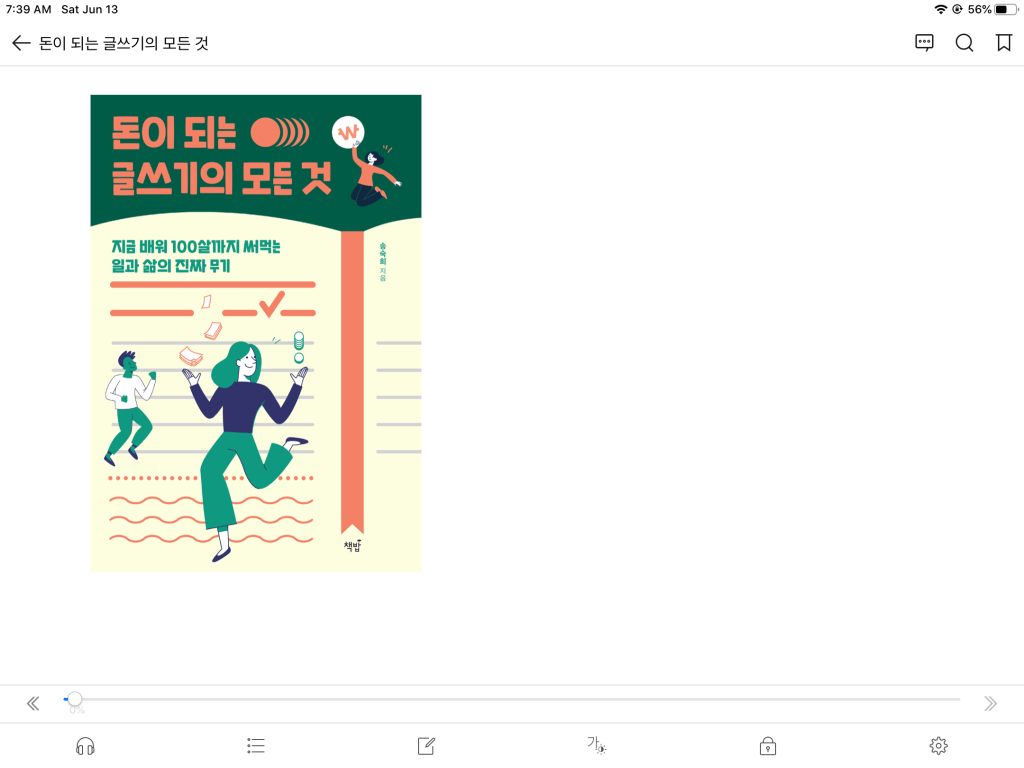
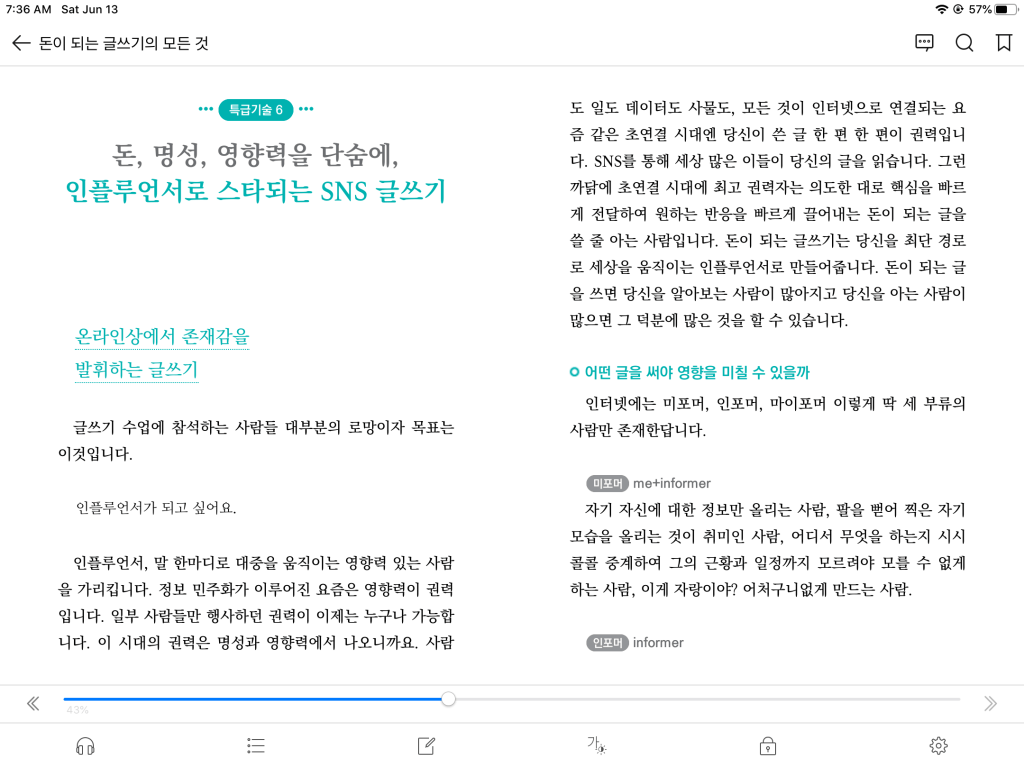
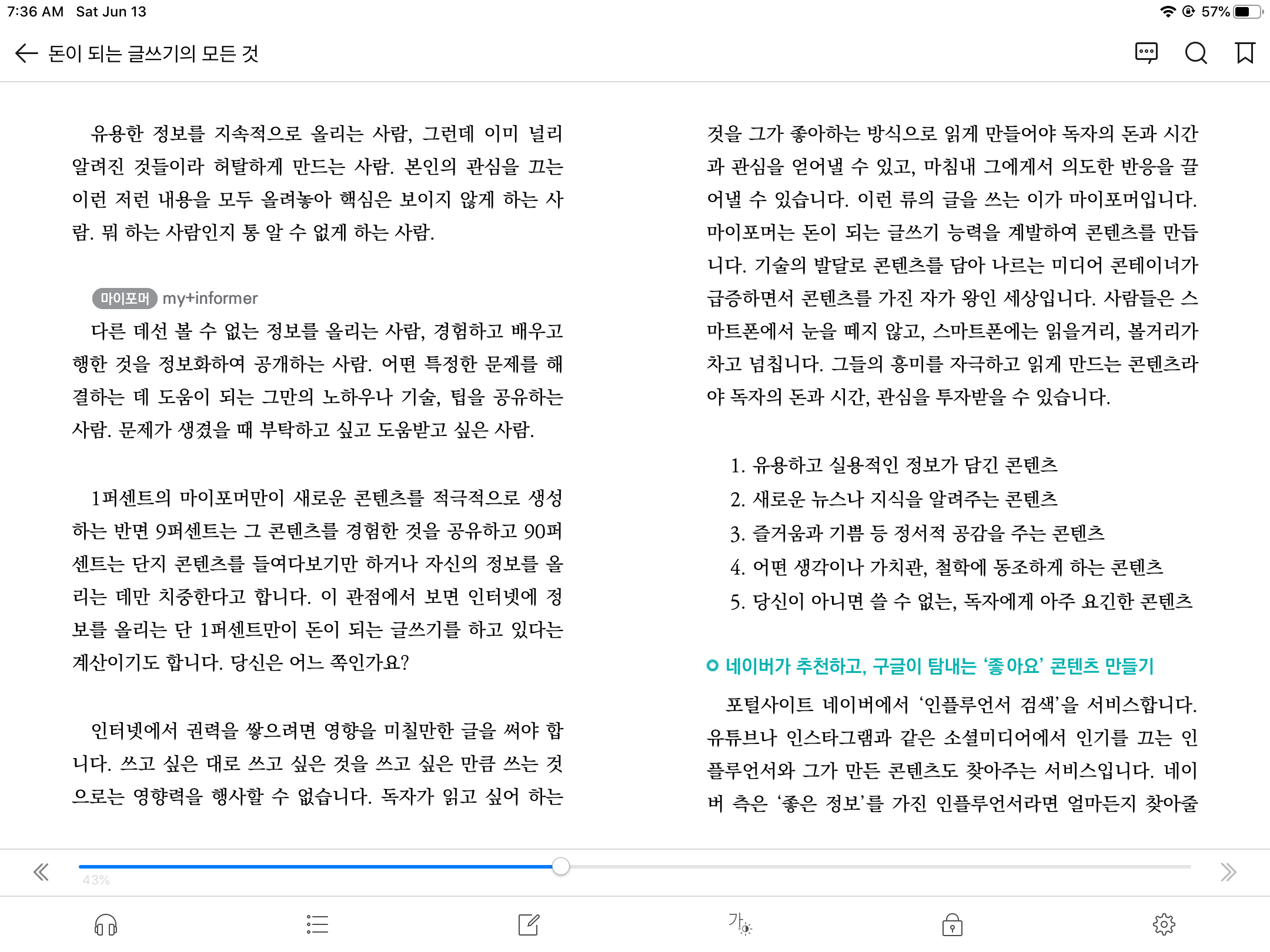
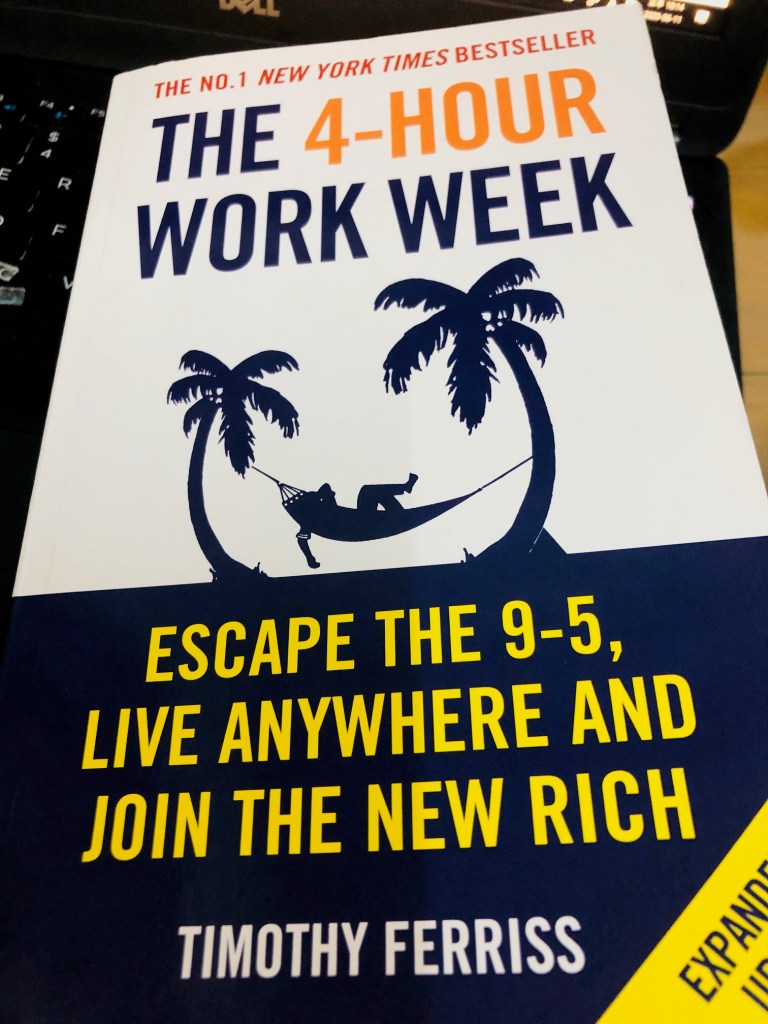
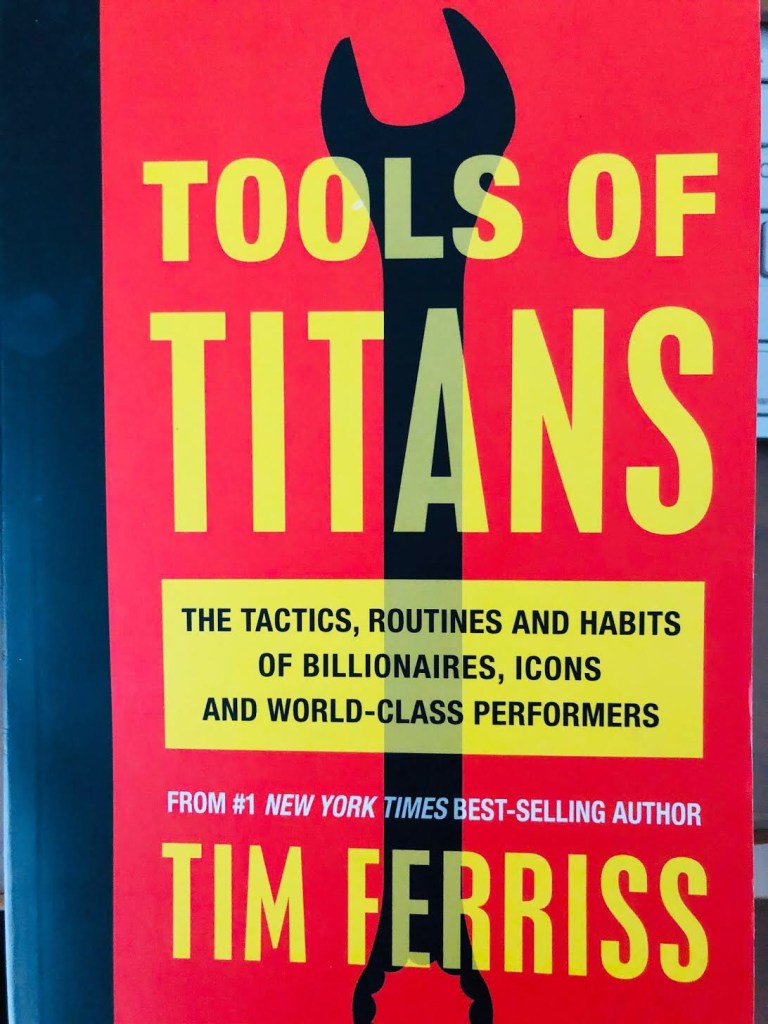

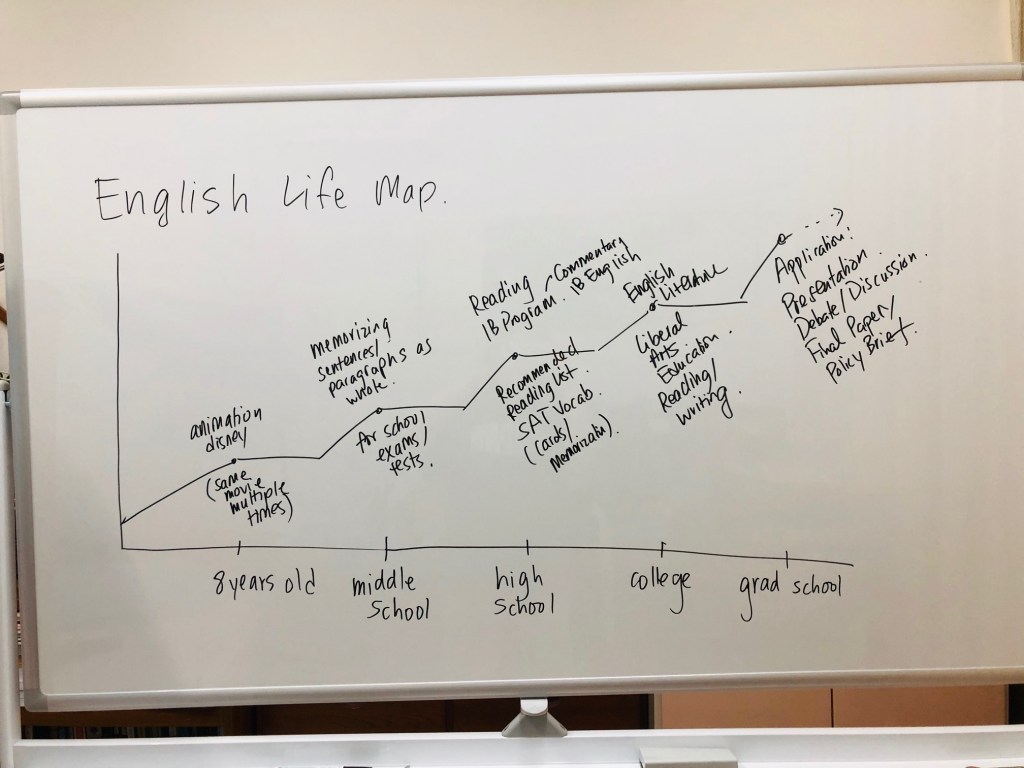
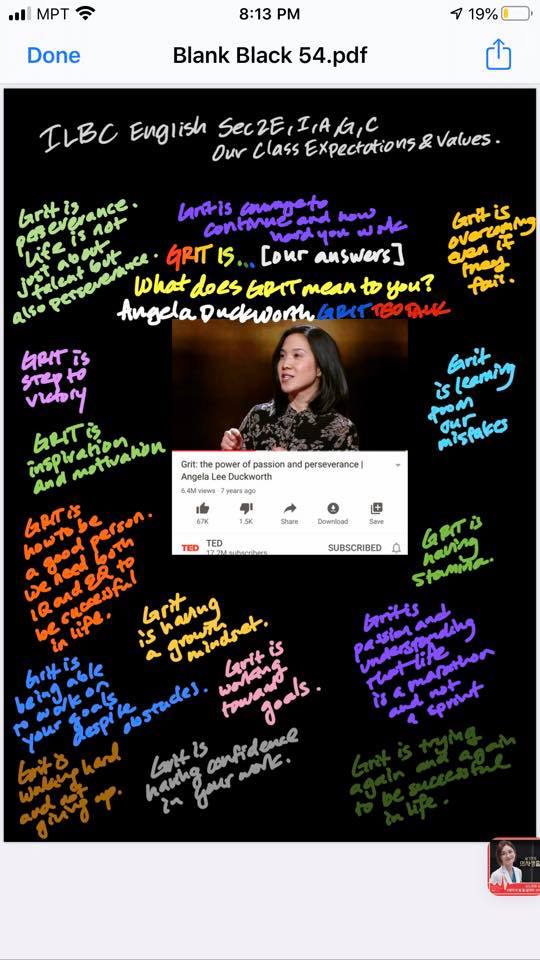
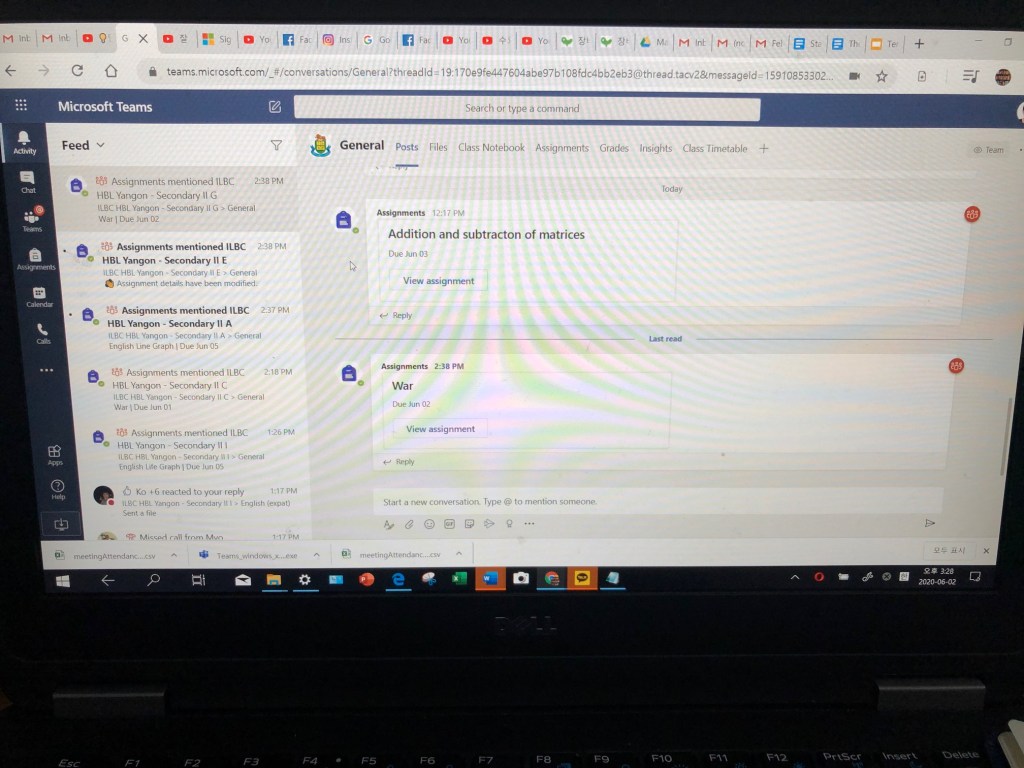
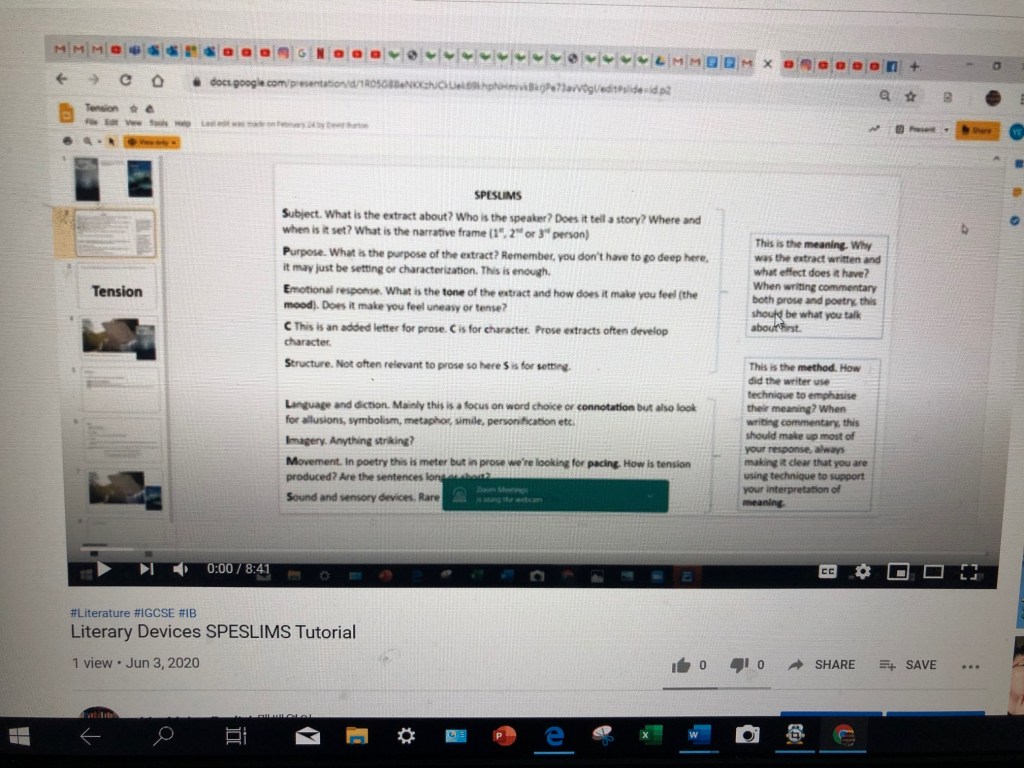
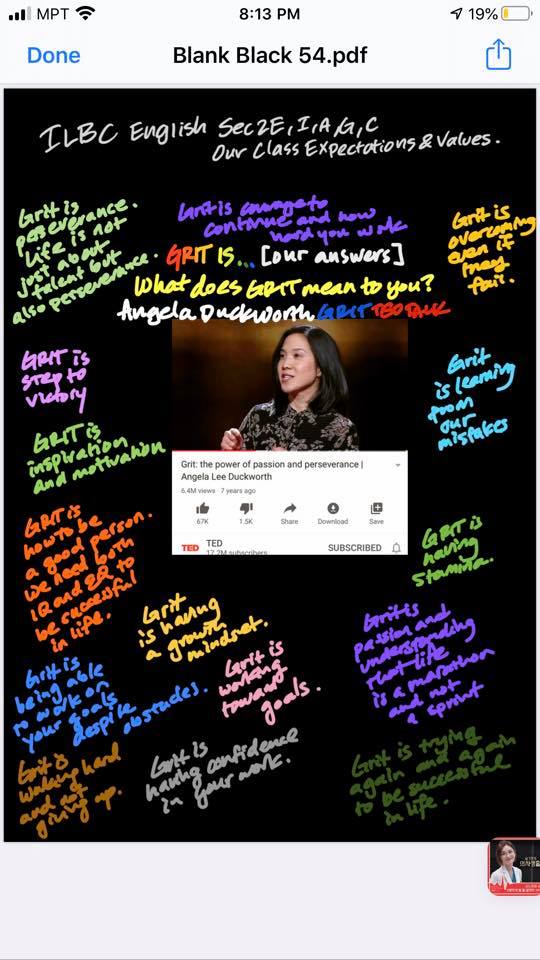
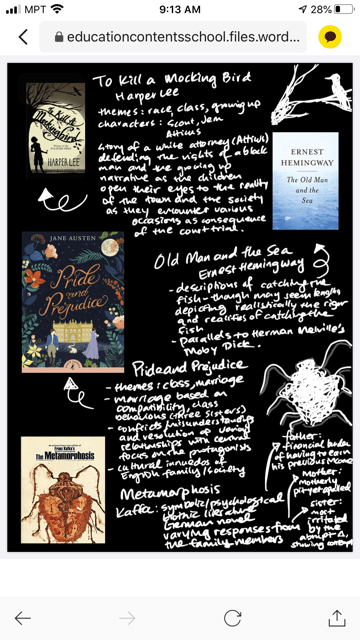
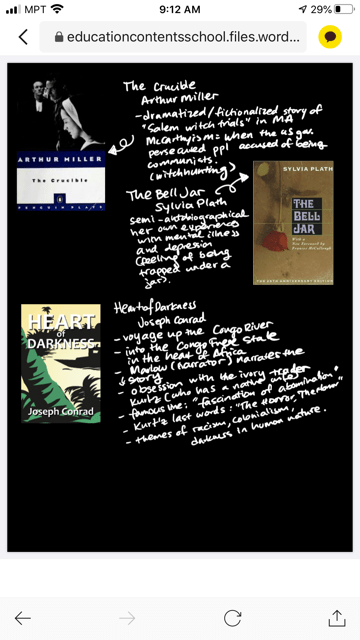
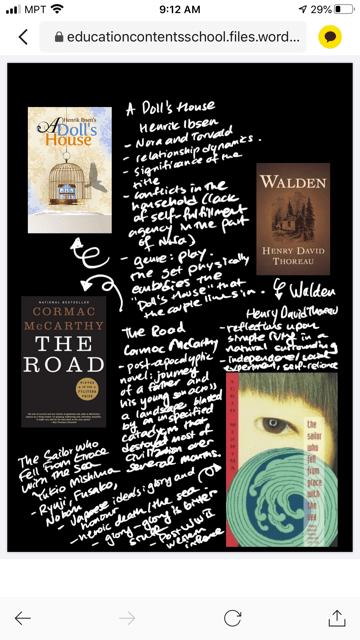
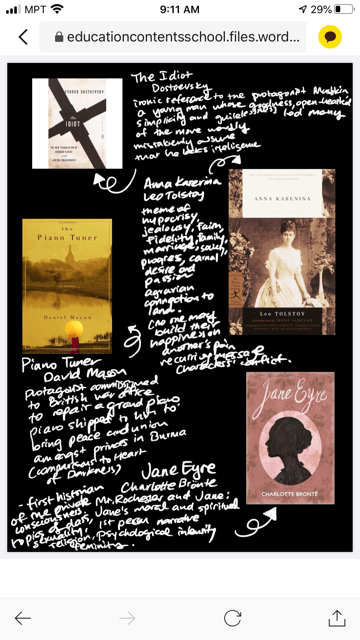
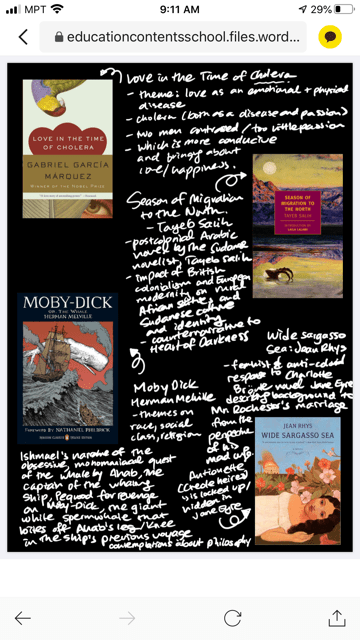
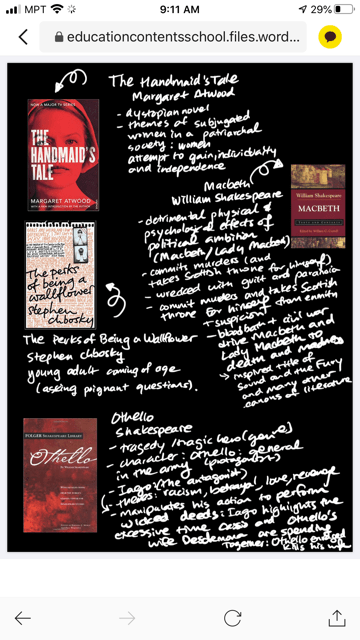
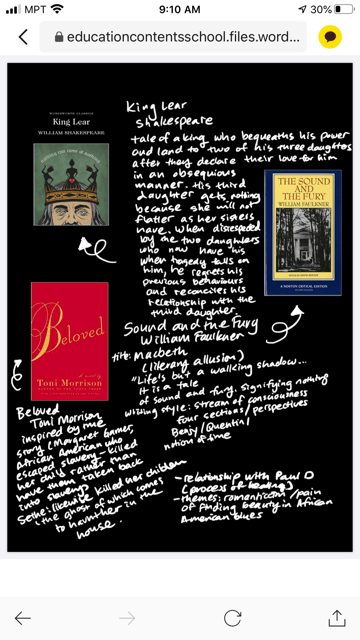
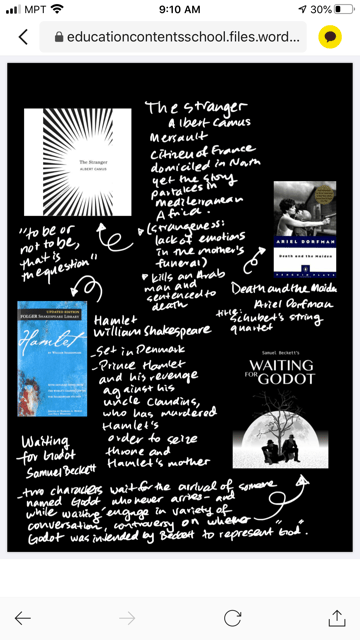
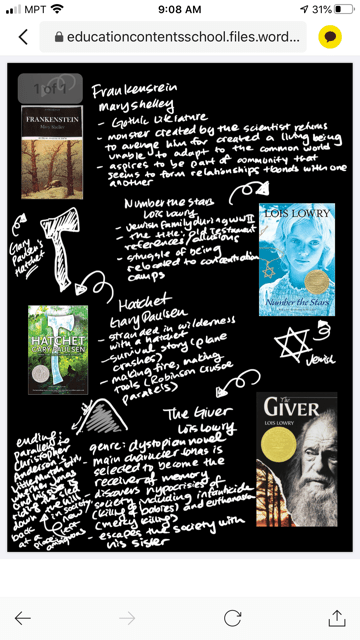
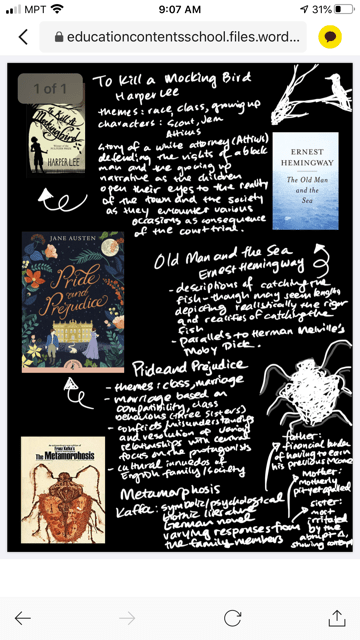
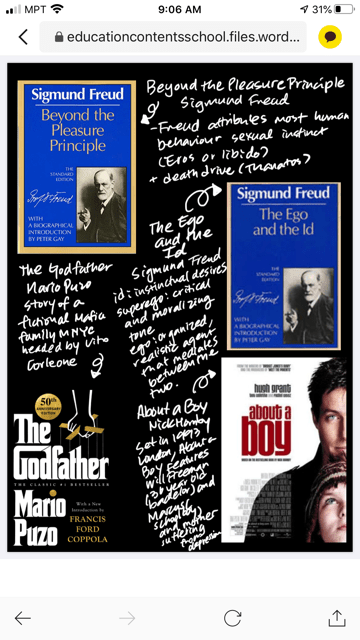
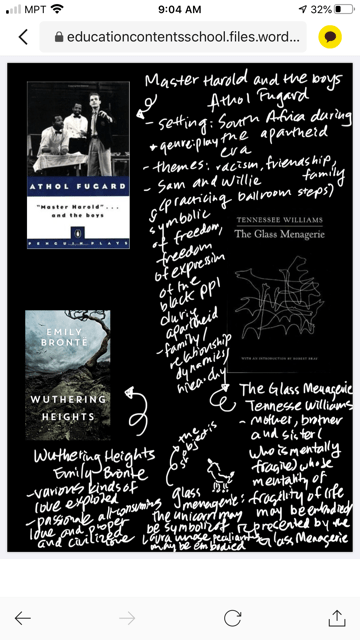
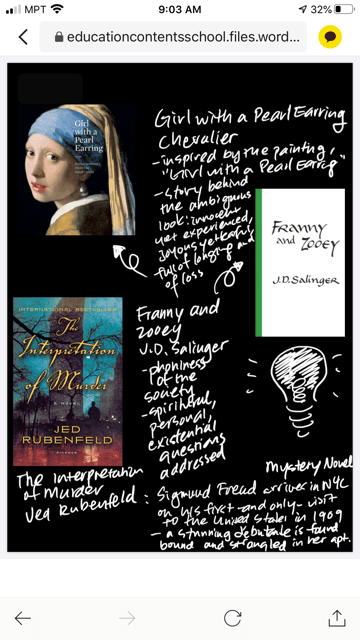
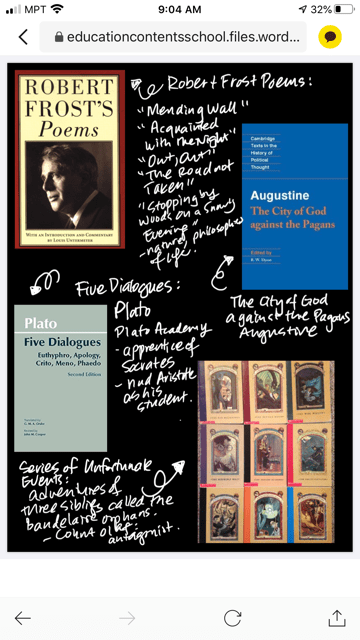

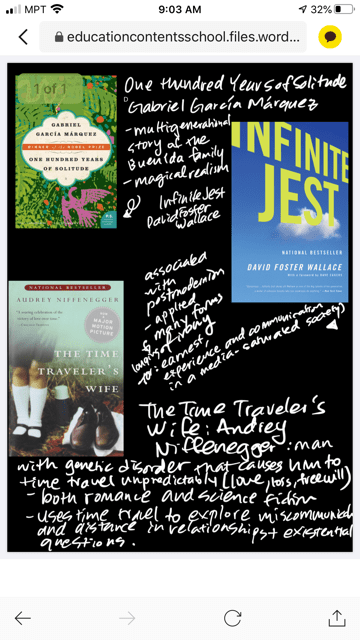


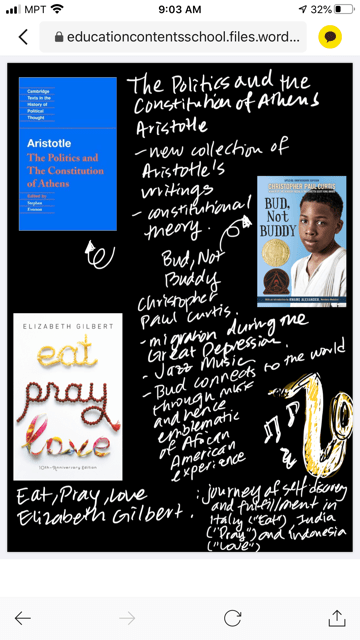
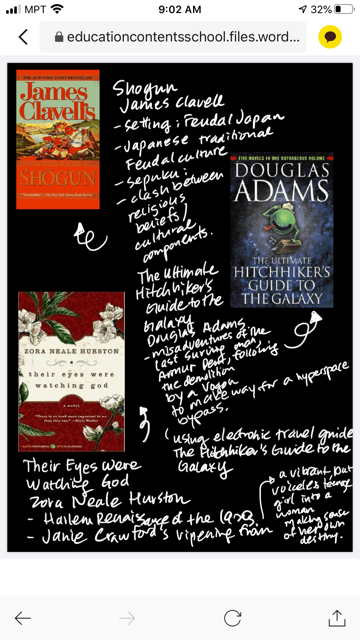



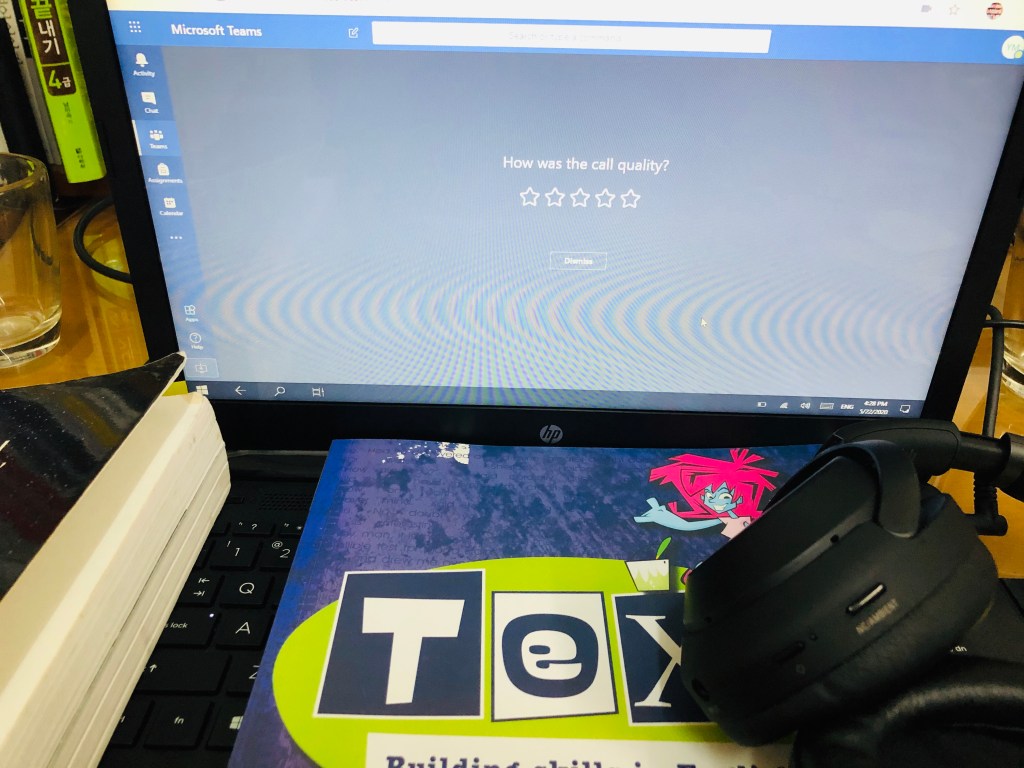
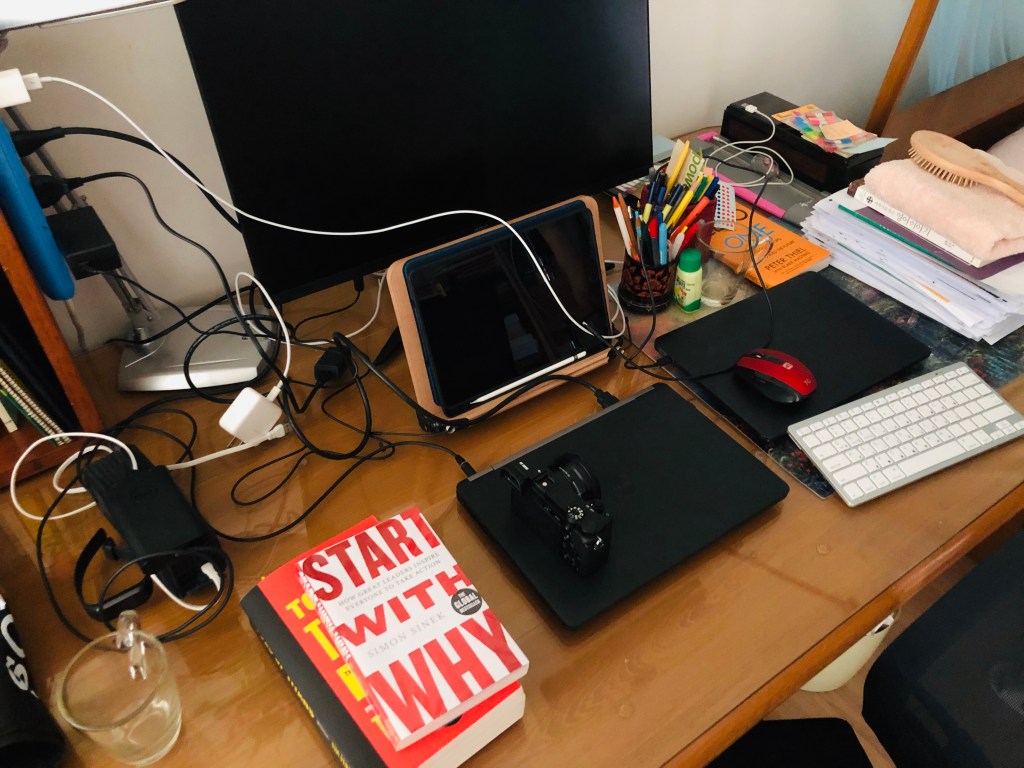

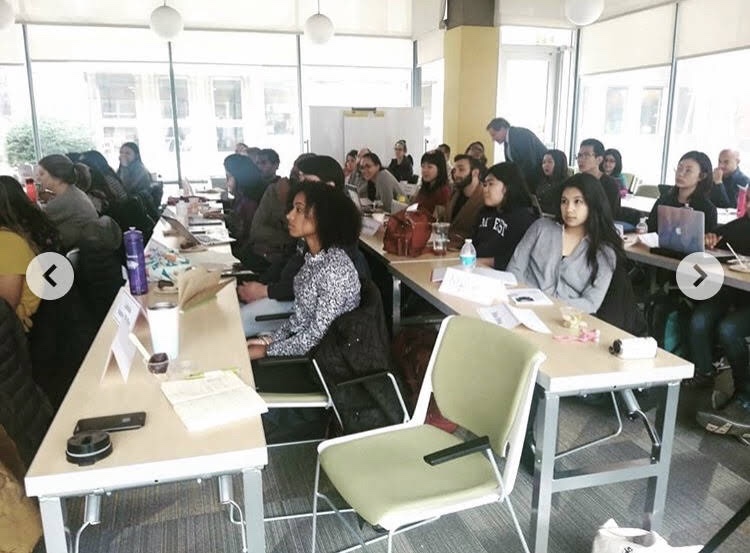


 EduContents